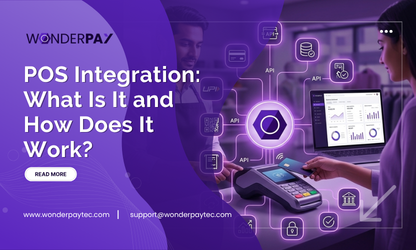
POS Integration: What Is It and How Does It Work?
June 25, 2026
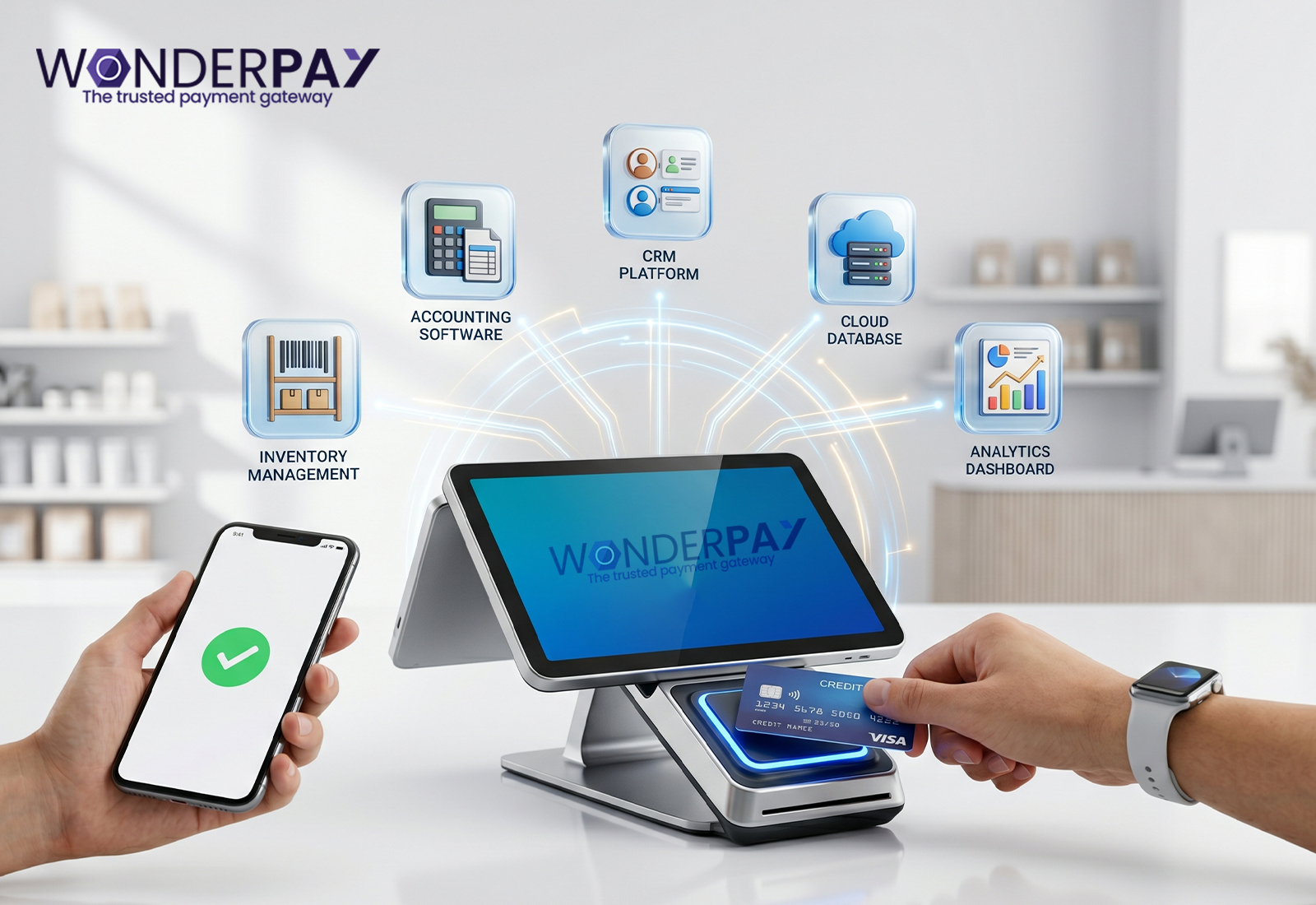
Every business requires fast, accurate, and connected payment resolution, especially in this rapidly growing environment. One of the major challenges for businesses is managing their sales, inventory, customer data, and payments via multiple separate gateways. At this point, POS integration can be helpful. It distinctly fused a point-of-sale system with other business applications.
Whether running a business online, offline, or via multiple channels, a well-connected payment gateways that simplify the daily hectic process. Learning about the POS integration meaning is beneficial for businesses to magnify their customer experiences and manage multiple operations effectively.
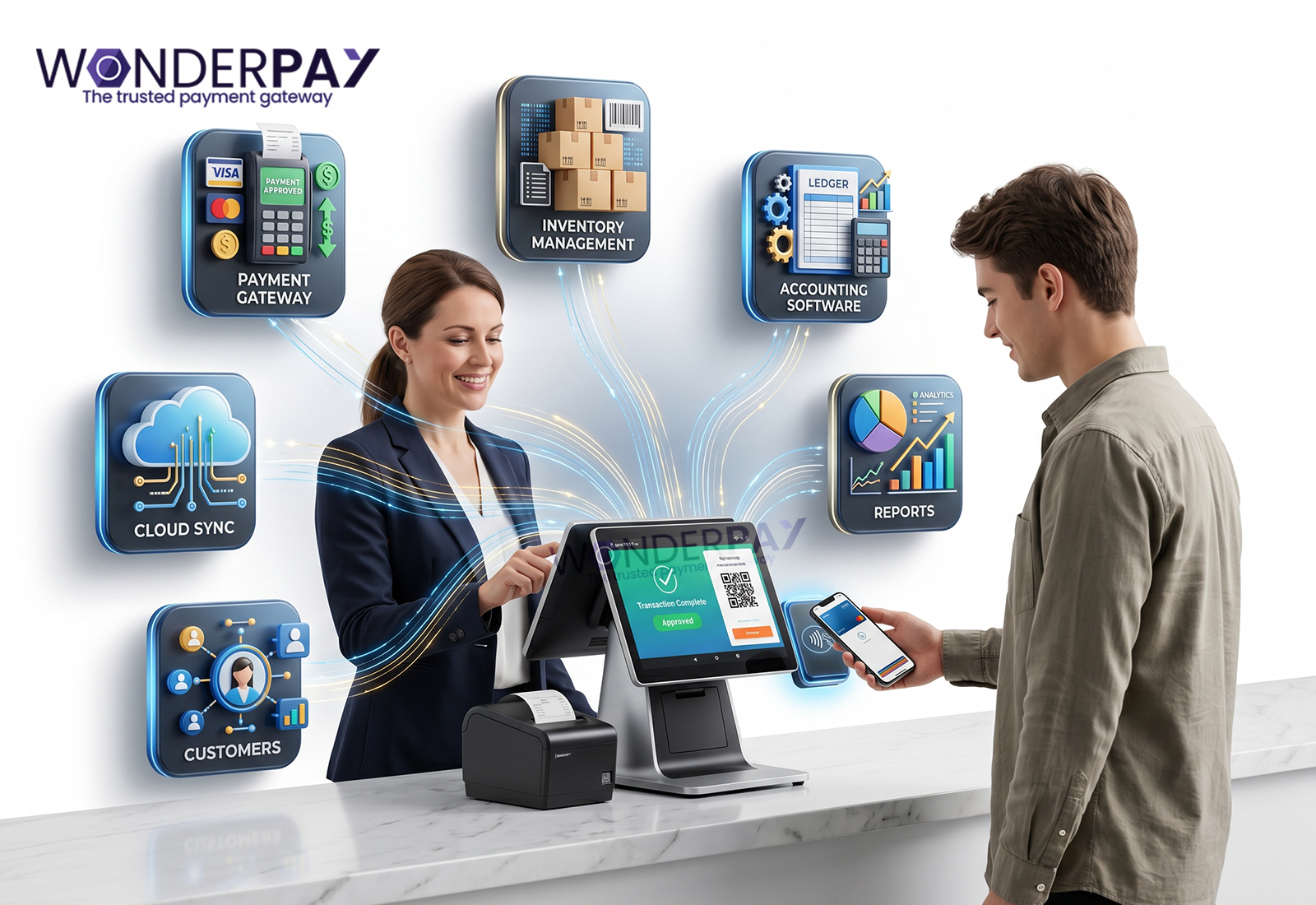
The POS integration, meaning simplify refer to the procedure of linking a point-of-sale system with other business tools. These may comprise the applications of accounting, inventory management, payment resolutions, customer relationships, and e-commerce markets.
Instead of sharing personal data across multiple platforms, integrated solutions share the data automatically with those platforms. This is considered helpful in managing time and reducing unnecessary errors and omissions while providing valuable insights about real-time business.
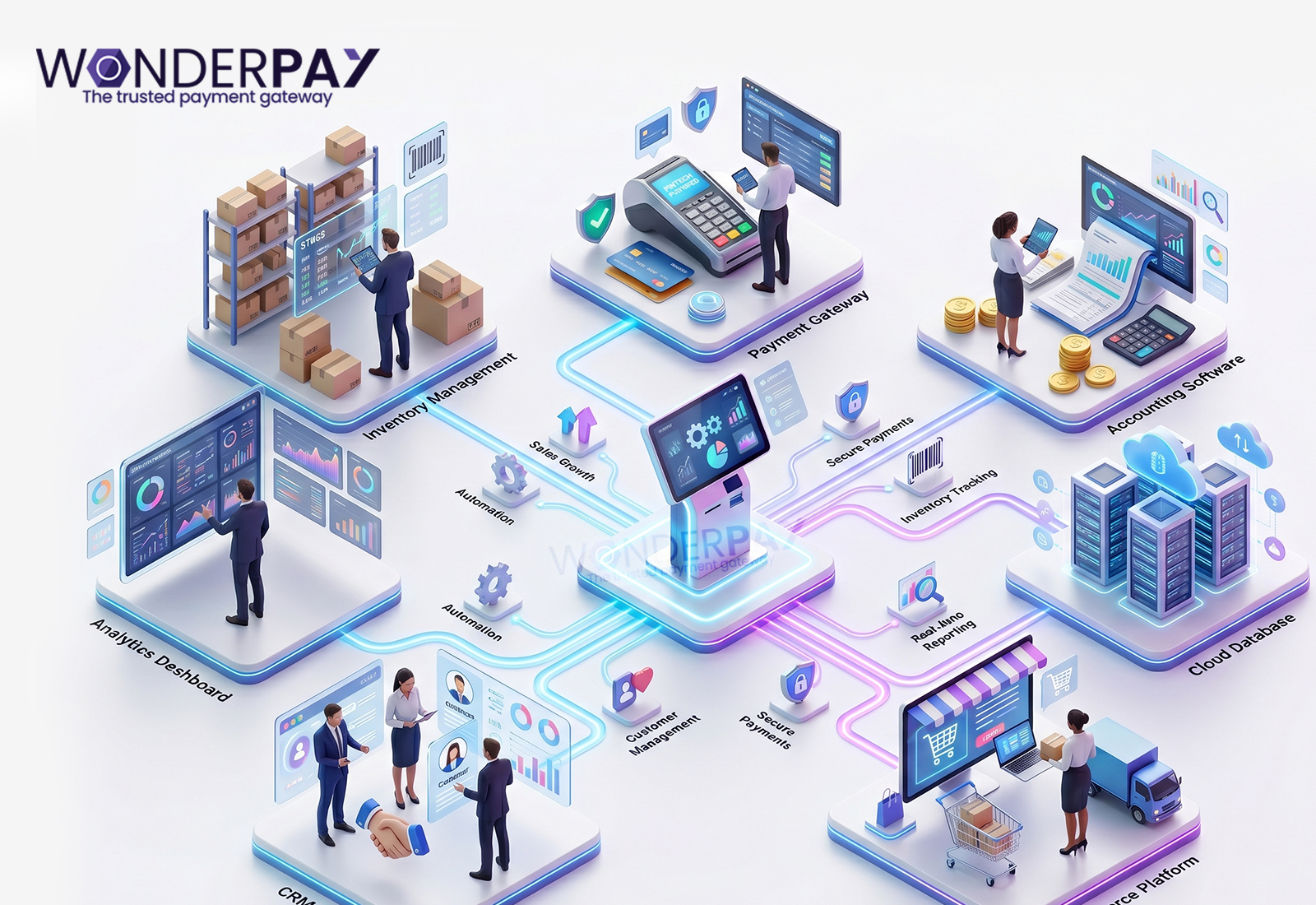
Modern business often depends on accurate data for making informed decisions. POS integration is considered helpful in making a streamlined infrastructure where the data flows smoothly between different business applications.
Including Advantages:
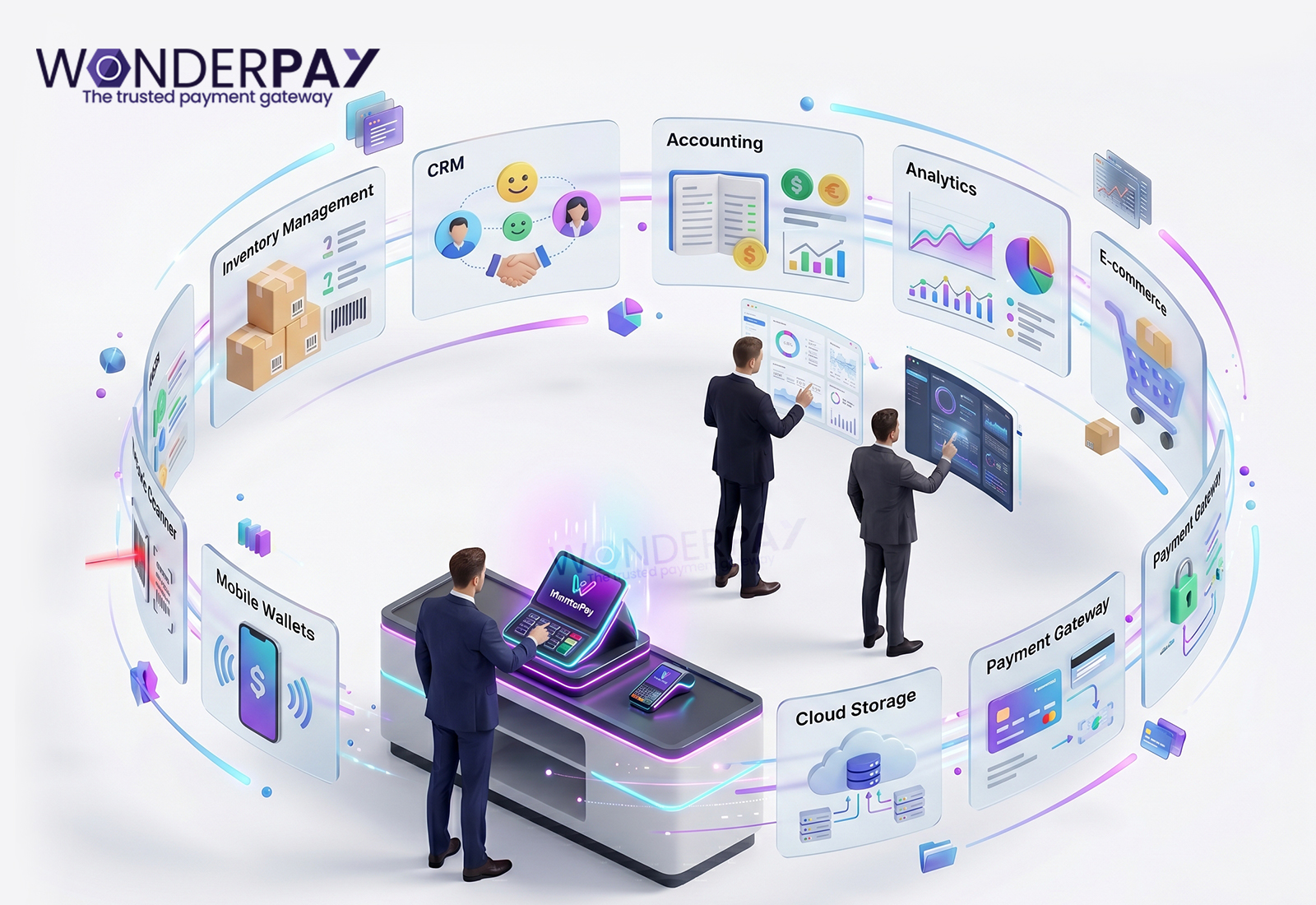
An integrated setup often contains:
Collectively, these components prepared an integrated pos system that helps in the overall growth of the business and encourages accuracy in operations.
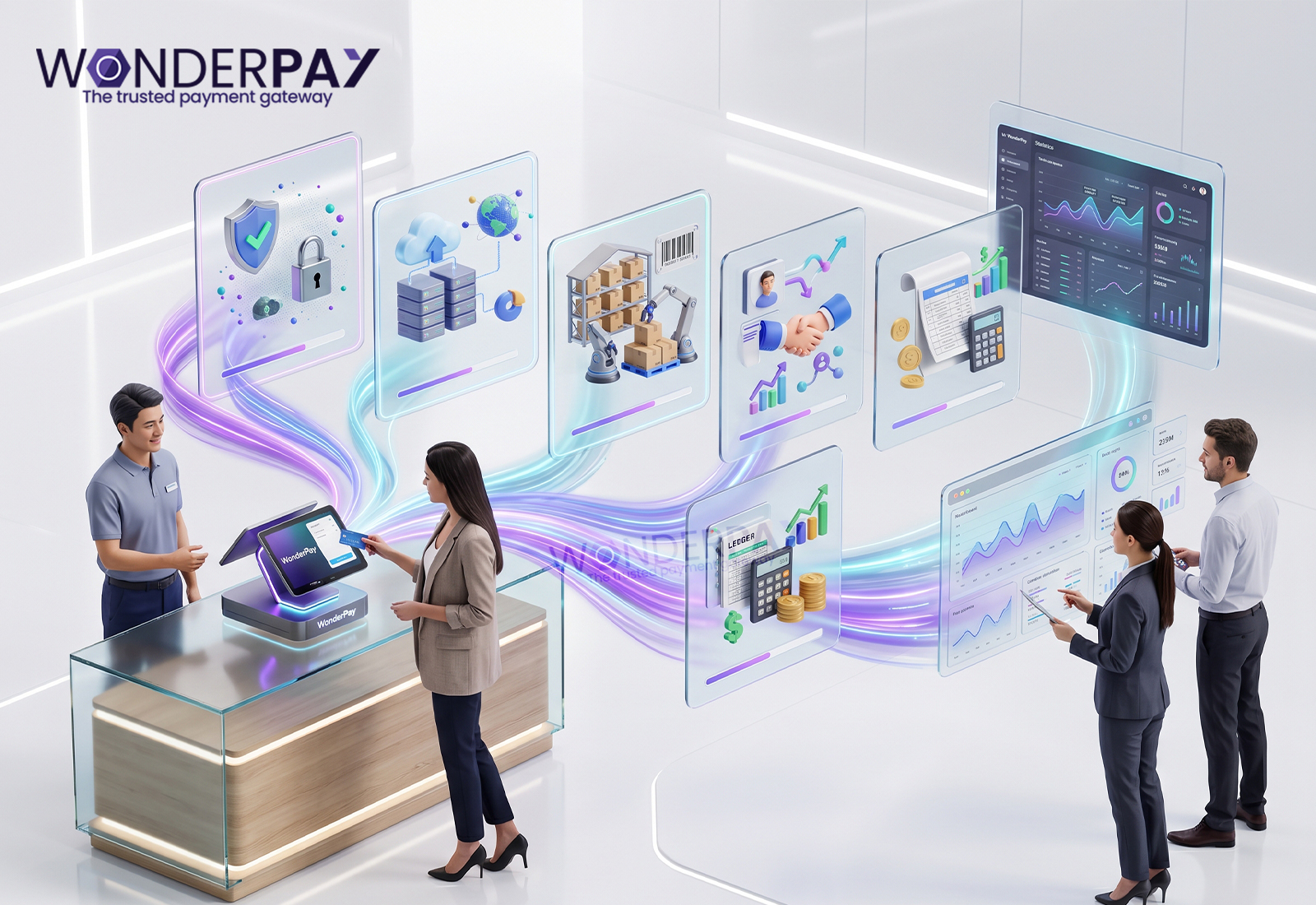
By supporting communication across several software applications, POS integration works. When a transaction takes place, the system automatically fills in the relevant details across multiple platforms.
For instance, when consumers buy a product:
The main function of POS integration is data synchronisation. Information listed in one application is automatically shared across other platforms.
This supports consistency and accuracy in various business operations.
The rolling updates encourage better decision-making for businesses. Through this, managers can monitor the payment history, inventory, and sales without the need for manual reports.
Integrated systems encourage the secure reporting methods to transfer personal data from one platform to another. It helps to protect the customer data and payment history.
What is an Integrated POS Machine?
An Integrated POS Machine exclusive blend of payment processing abilities with business operational features. It is compatible with several business models rather than being a standalone payment terminal.
Multiple advanced features considered beneficial for businesses, including:
Therefore, an integrated pos machine can help to manage both online and offline business activities.
A retailer manages many transactions in routine. POS integration helps them to handle the inventory data and provide quick checkout experiences with accuracy.
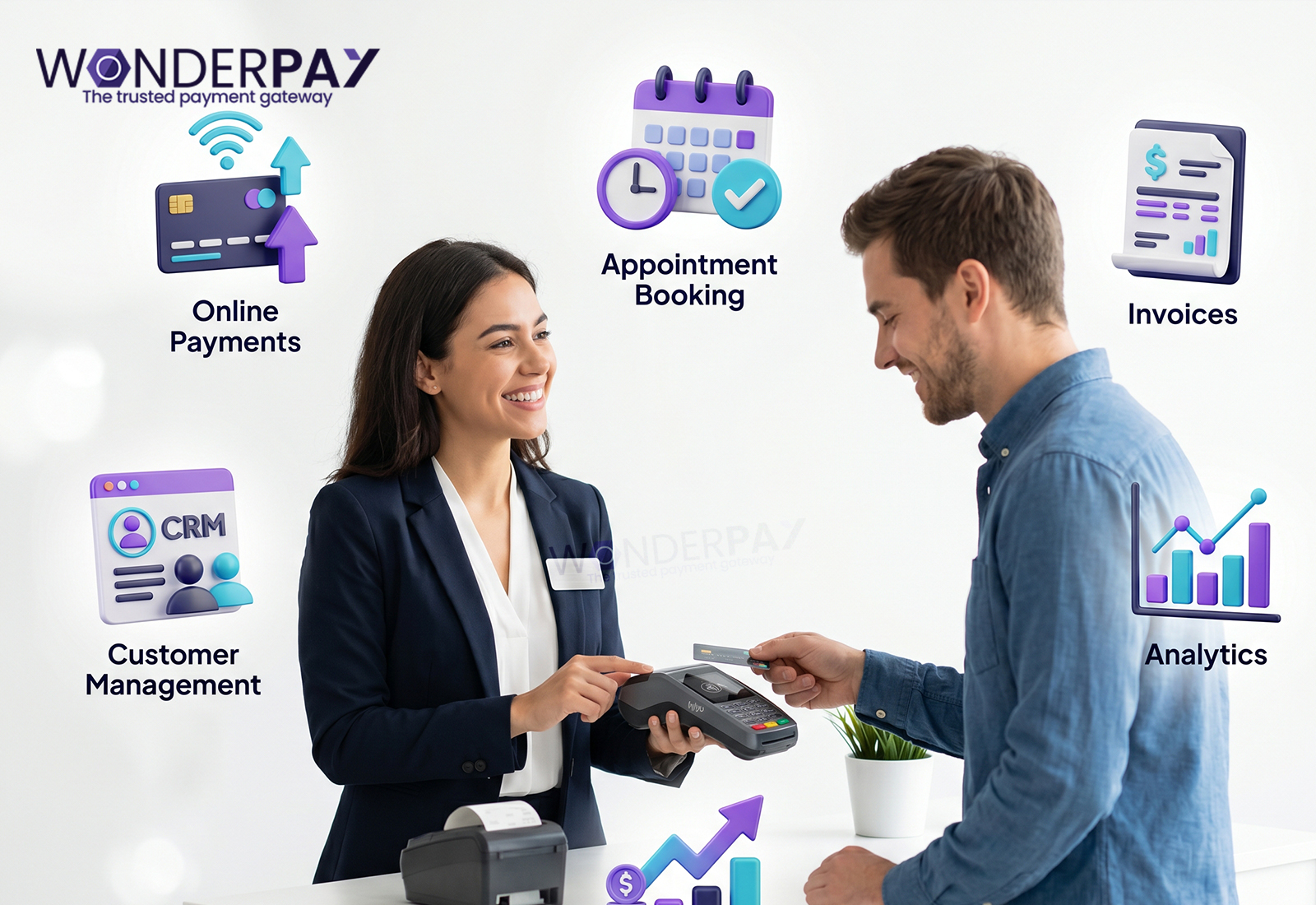
Service vendors take the help of POS integration to manage customer data, appointments, invoices, and payments from a single application.
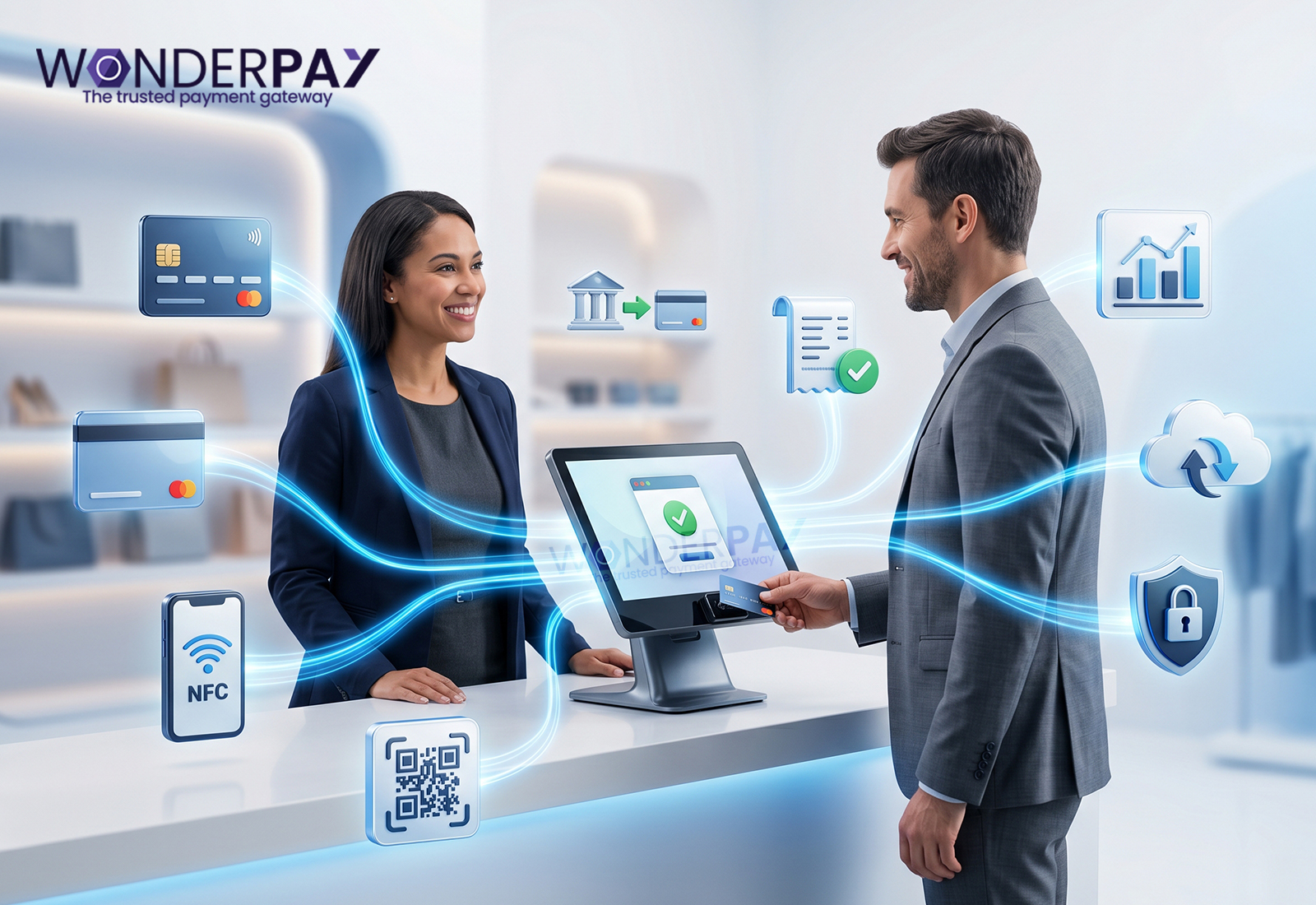
Pos machine integration refers to connecting payment terminals with software systems used within a business.
Pos machine integration refers to connecting payment terminals with software systems used within a business. This allows payment data to straightly flows into the operational systems.
Payment machine integration eliminates manual record-keeping of payments. Transactions are automatically recorded and matched to sales information.
The chances of errors are higher with manual data entry. Integration means that payment data is kept up to date throughout all systems involved.
Integrated solutions offer more in-depth reports that correlate payment data with sales and inventory information.
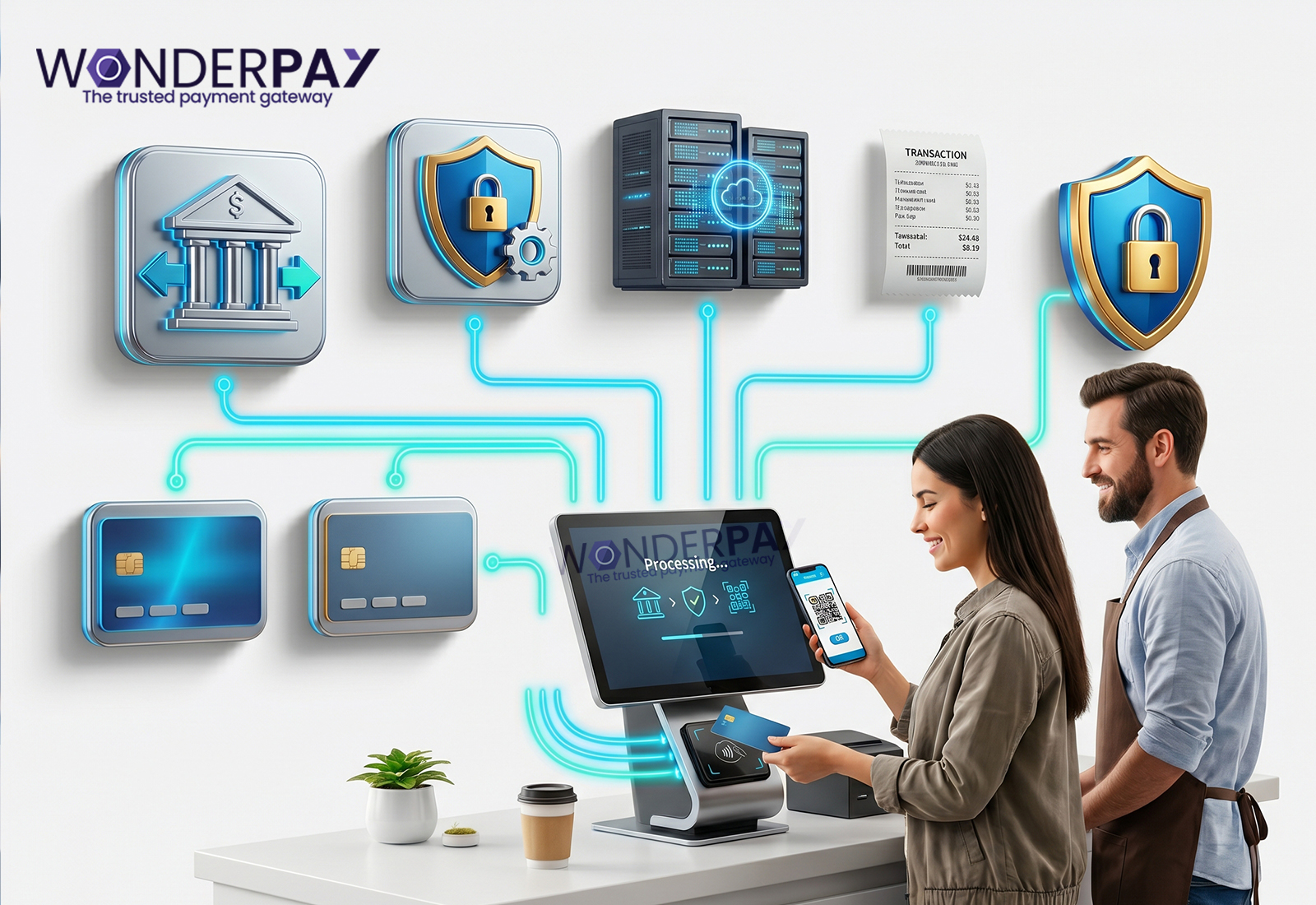
Pos payment integration focuses specifically on connecting payment processing systems with POS software. This helps to ensure a seamless transaction process for both the company and the customer.
At the time when the customer makes a payment:
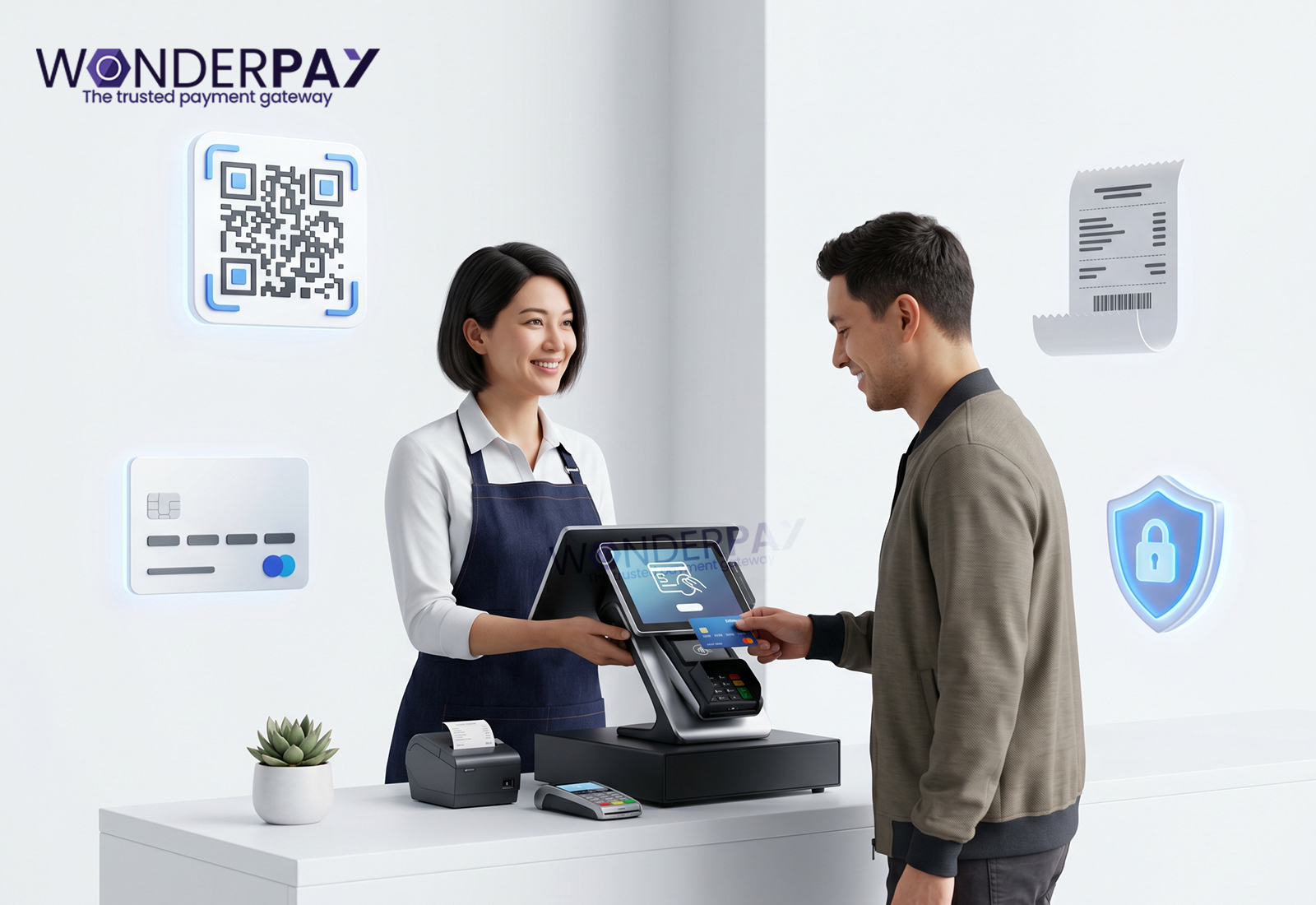
There are a number of benefits that businesses can expect to receive from the integration of pos payment, including:
Customers receive faster service.
Manual payment entry errors are avoided by automation.
Seamless payment processes lead to higher customer satisfaction.
Keeping track of transactions accurately makes accounting easier.
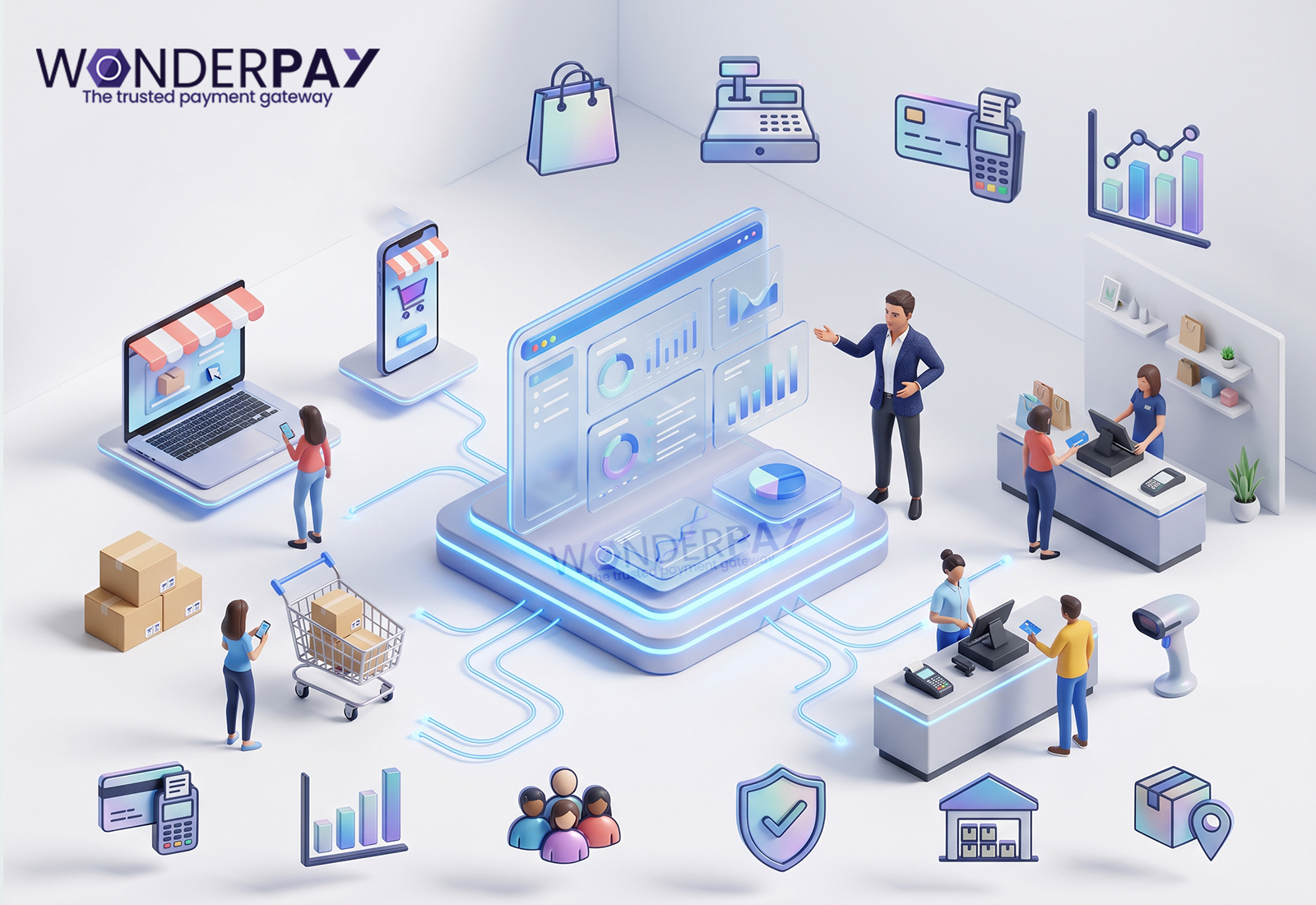
The integration of digital and physical operations is essential as businesses expand their online presence. Pos ecommerce integration can help ensure consistency throughout all sales channels.
Pos ecommerce integration is a solution that seamlessly integrates online stores into the point-of-sale. This enables companies to maintain products, stock, and sales data from a single platform.
Inventory automatically updates all channels when it changes online or in store.
All customer data gathered from online and in-store purchases is still centralized.
Prices can be consistent whether in-store or online.
The need for omnichannel retailing is on the rise. With pos system e-commerce integration, businesses can provide uniform experiences to customers, no matter where they are buying and selling.
An integrated platform enables businesses to control:
from one location.
By integrating e-commerce into the POS system, customers can benefit from the following services:
Employees have more time to spend on customers and less time managing multiple systems.
Business owners have access to detailed sales and performance reports.
There are numerous features that cater to today’s business needs, and an integrated pos system is able to provide them all.
Real-time inventory tracking assists companies in preventing stock-outs and overstocking.
Customer information, transaction history, and preferences are stored in integrated systems.
Businesses can use detailed reporting to gain insights into trends and growth opportunities.
Integrated pos system works both online and offline.
Integrated payment solutions make transactions and reconciliation easier.
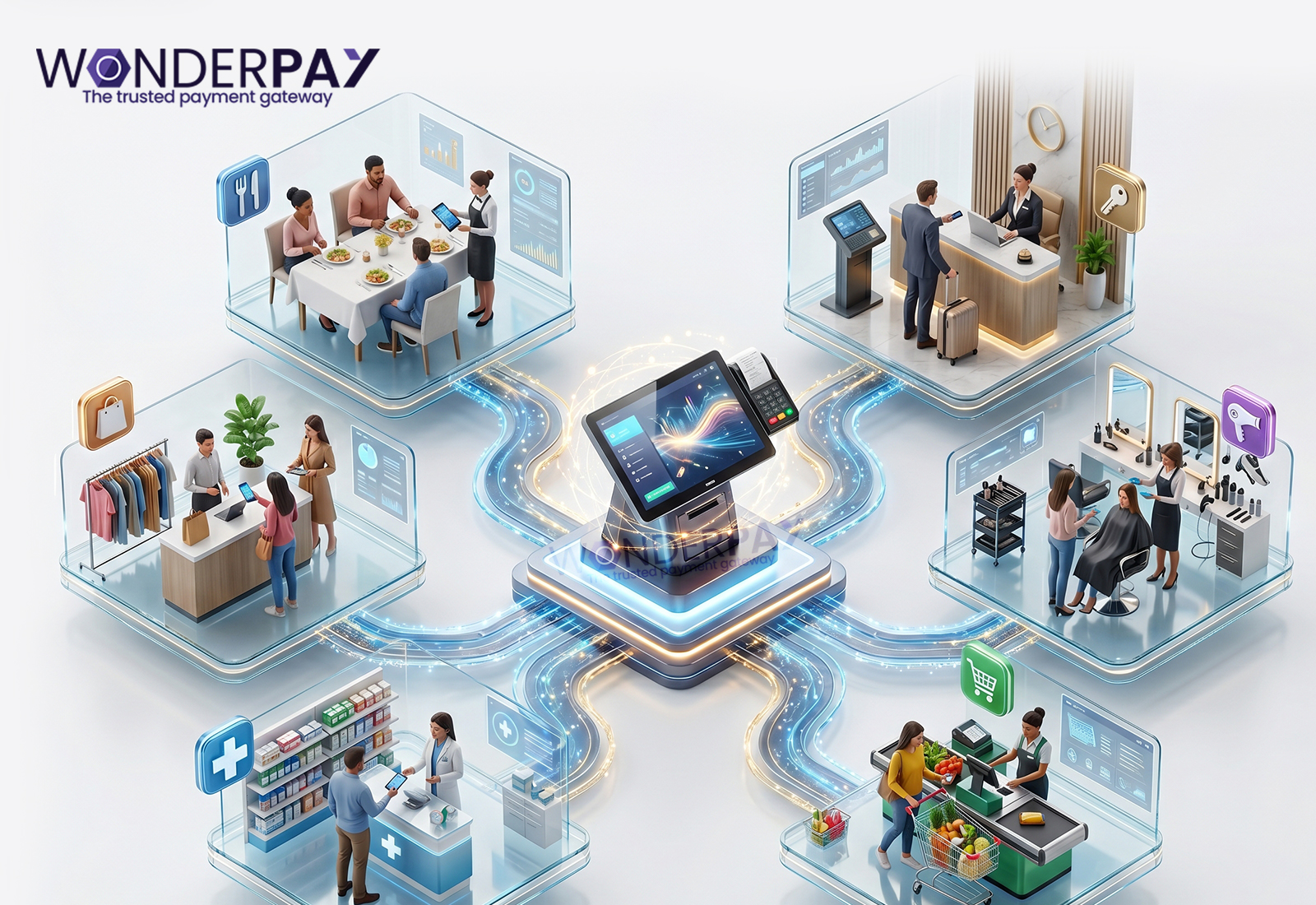
POS integration comes with a lot of benefits in numerous industries.
Integrated systems are used in retail operations for inventory, payments, and customer information.
Order management and payment processing are streamlined at restaurants.
Healthcare practices can incorporate appointment scheduling, billing, and payments.
Integration is an innovative solution for enhancing the efficiency of hotels and hospitality enterprises.
Pos system e-commerce will provide online sellers with enhanced visibility of the inventory and order management capabilities.
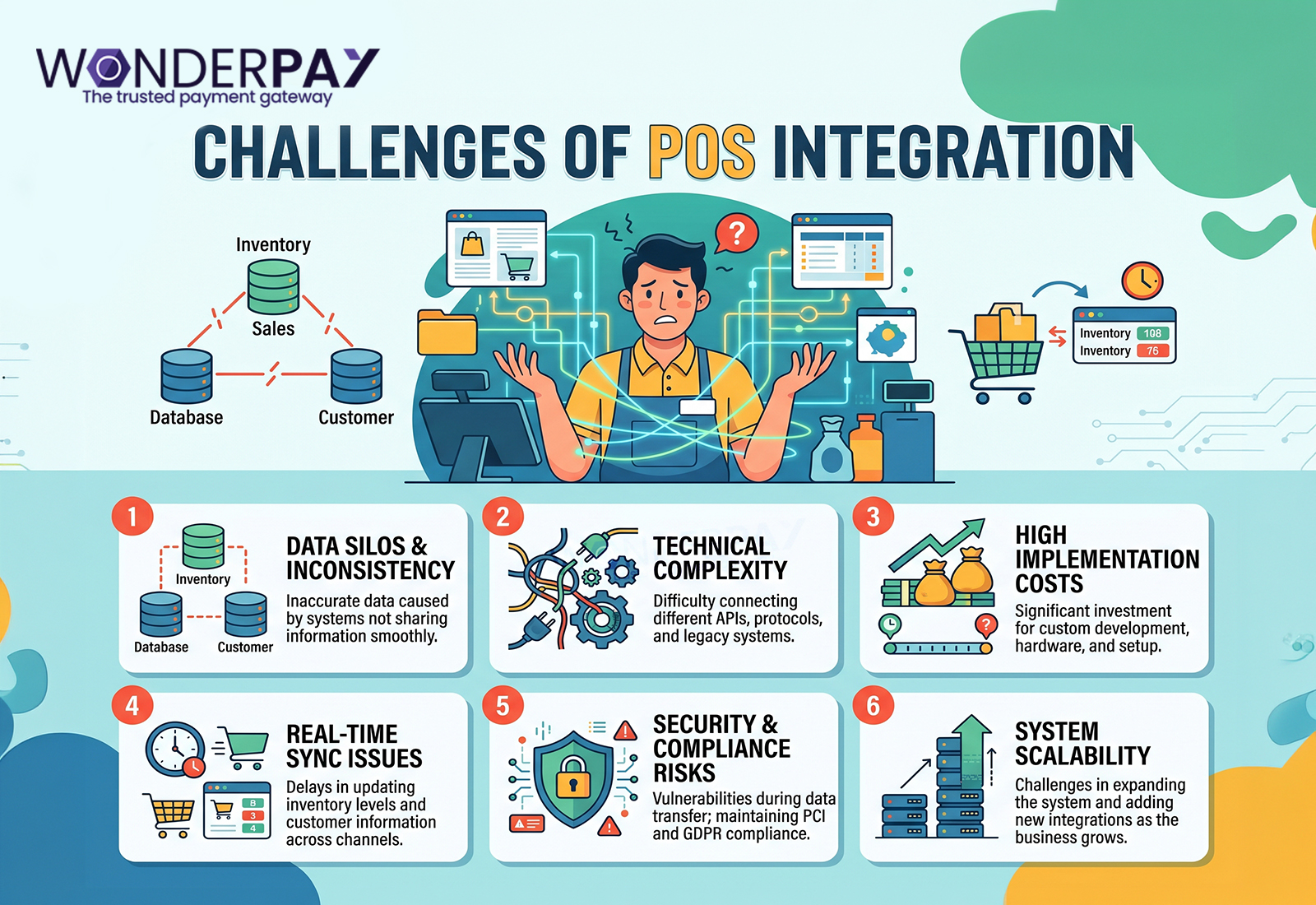
Though there are numerous benefits to integrating, there are also some challenges a business may face.
All software platforms don’t fit easily. Compatibility should be assessed prior to implementation.
Transferring data from existing systems can be a delicate process.
Staff must be trained in the use of integrated systems.
It is critical that businesses make sure integrated platforms meet industry security standards.
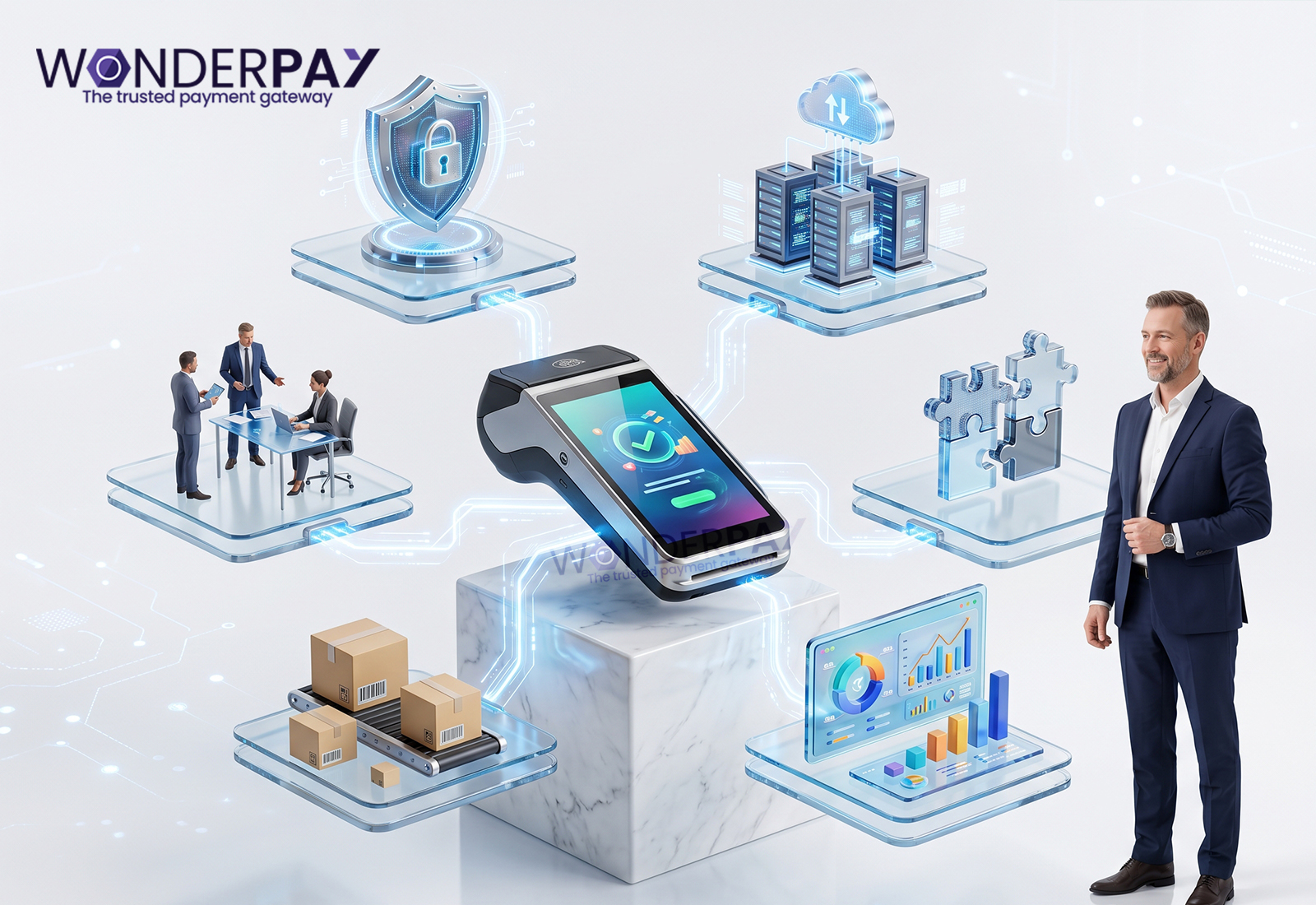
When it comes to implementing the POS system successfully, strategic planning is crucial.
Define the problems that will be solved by integration.
Choose systems that can expand with the company.
Ensure payment and customer information remain protected.
Test extensively prior to launching the integrated solution.
Regular monitoring helps identify issues and optimise system performance.
POS integration has emerged as an integral part of today’s businesses. These integrations streamline operations, minimize mistakes, and enhance customer journeys, making them more efficient and user-friendly. From the implementation of an integrated pos machine, to the adoption of pos payment integration, to the investment in pos ecommerce integration, connected systems can help to improve the overall efficiency and scalability of a business. With solutions such as Wonderpay, businesses can create more robust and efficient payment infrastructure that facilitates long-term growth and success in the ever-changing landscape of digital commerce.
POS integration well connects a pos system along with other business applications, like accounting, inventory management, CRM, and payment gateways. This exclusive bond permits automatic data transfer, reduces the pressure of manual work, improves accuracy, and supports businesses in effectively managing sales, stock, and customer details.
POS integration works by permitting other applications to exchange data in real-time. After a successful transaction, the data automatically updates in other applications. These procedures help guarantee accurate information, seamless procedures, quick reporting, and enhance the vision into overall business functionality.
POS integration provides multiple advantages, helps in reducing errors, managing inventory better, encourages faster transactions, and improves customer experiences. Therefore, it gives real-time updates, improves operational functionality, and helps businesses in making better decisions that are accurate and up-to-date.
Yes, POS integrations help in improving the management of inventory by automatically updating the data relevant to the stock levels and each sale. This monitoring helps to protect against stock shortages, overstocking, and manual errors. Businesses can track the data more accurately and maintain efficiency.
POS integration gives multiple advantages to all industries, including small businesses. It simplifies the procedures of routine operations, saves time, reduces the administrative tasks, and provides better insights into sales and inventory. As an outcome, small business can boost their productivity while supporting future growth.

“A fintech content specialist with expertise in financial technology, digital banking, and emerging market trends, Kanisha Mathur is skilled in crafting SEO-friendly, research-driven content that transforms complex financial concepts into engaging and accessible insights. Combining analytical precision with compelling storytelling, the writing delivers value to both industry professionals and modern digital audiences.”