What an ACH Payment is and How an ACH Transfer Works
June 16, 2026
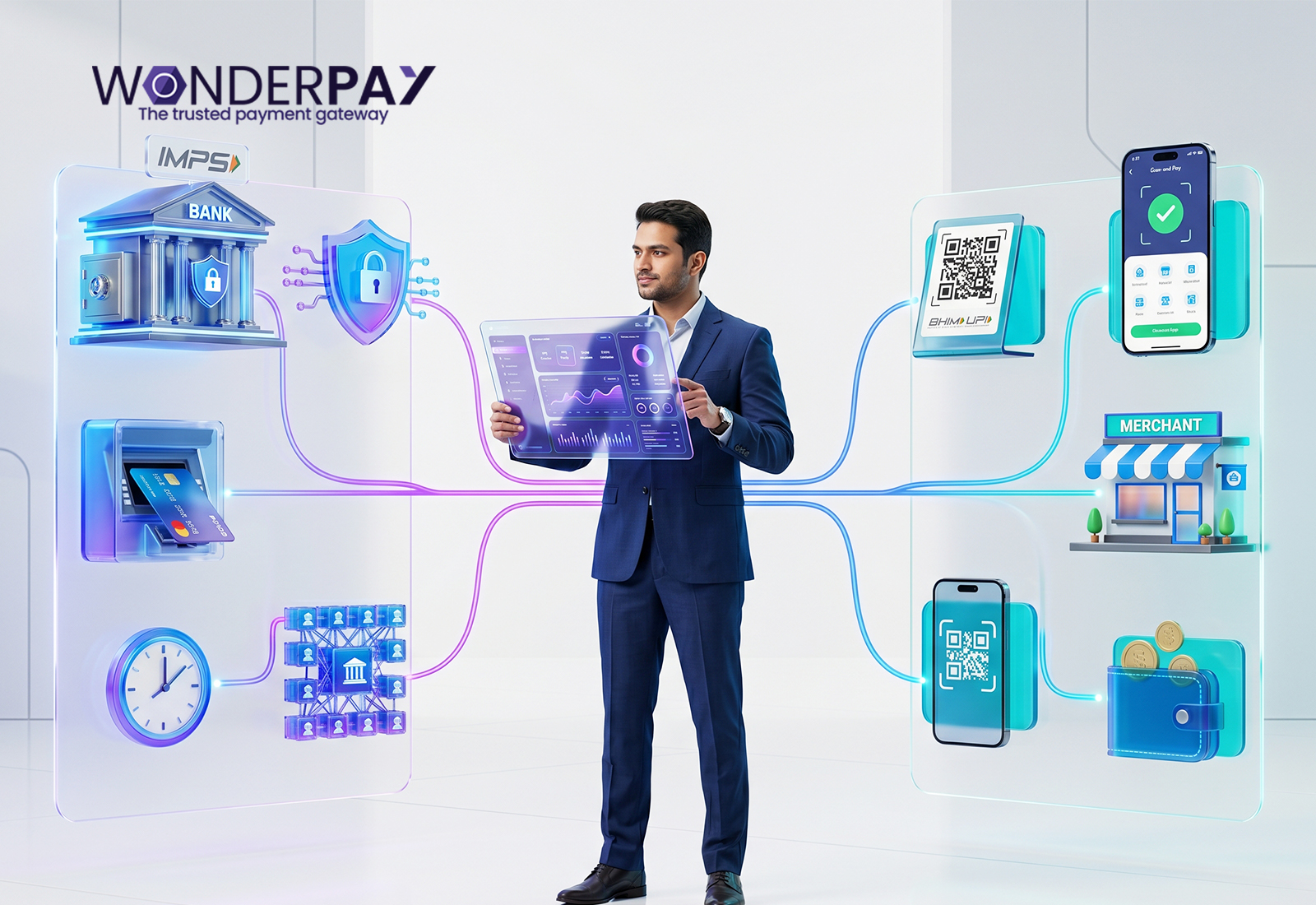
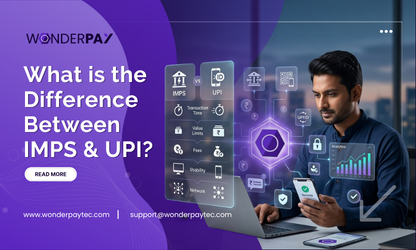
Nowadays, the payment system for digital fund transfer has transformed. It is different how a business or an individual sends money. If we talk about one of the most popular payment systems in India, such as India. The payment methods like IMPS vs UPI are being used a lot, but for different purposes.
The time you have a better understanding and know the clear difference between UPI vs IMPS. It can help a business-savvy person like you a lot. In order to choose the right payment methods for your company’s exact needs.
In this blog post, we will discuss all about both the payment methods, IMPS and UPI. So, read continually. At the end, you can make an informed decision on which option you should choose for your use.
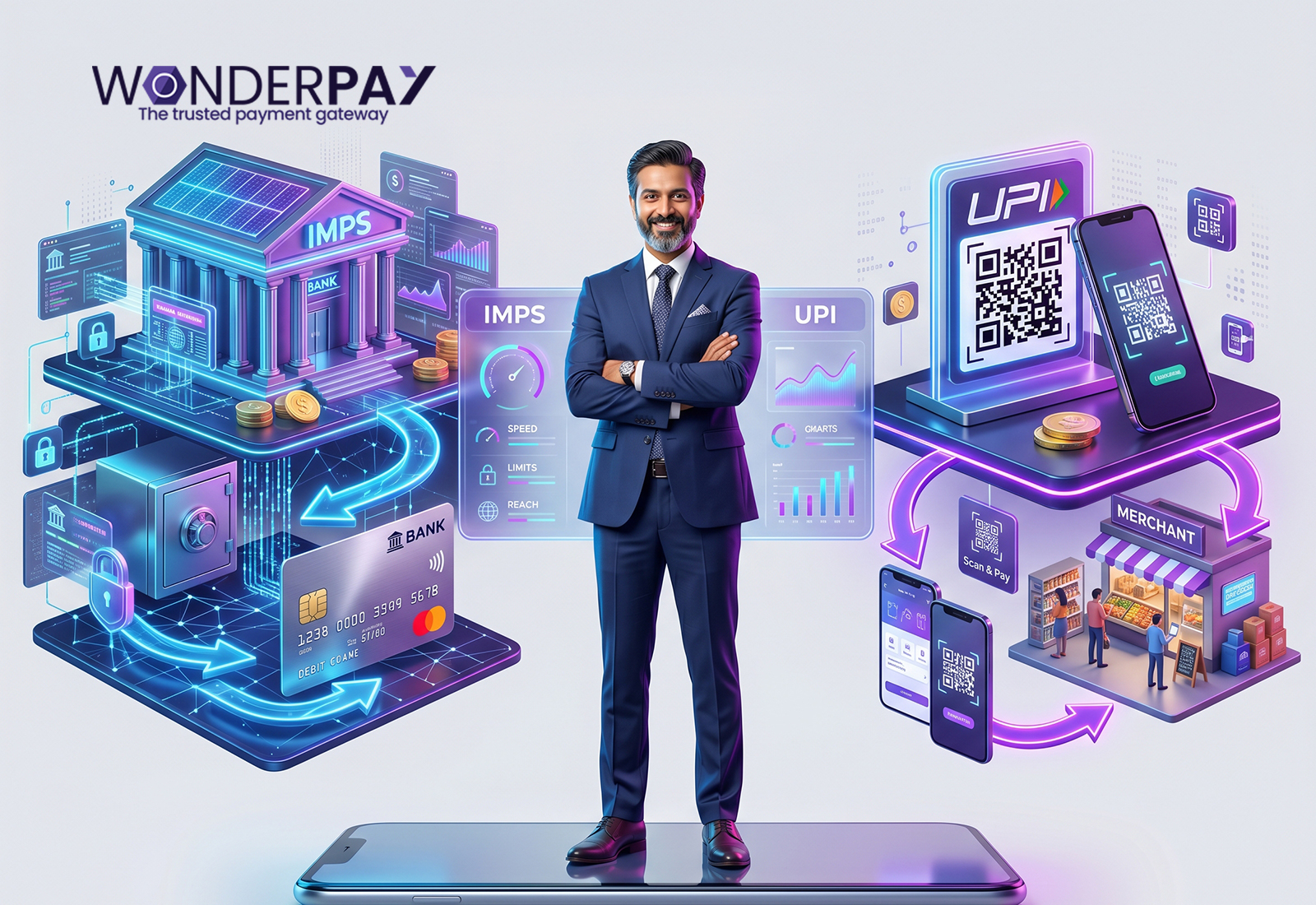
The payment methods UPI vs IMPS both payment methods have different use cases and are distinguished for their exact need for a user. Unified Payment Interface, or UPI, is a mobile-based payment system. It is designed for quick, everyday retail transactions using just a QR code or UPI ID.
On the other hand, Immediate Payment Service or IMPS is one of the traditional banking networks. Individuals or businesses can use it primarily for the purpose of large interbank transfers of funds. If we know the difference between IMPS and UPI, especially IMPS. It will require you to specify account numbers as well as the IFSC code.

IMPS vs UPI, both of the options are real-time digital payment systems. UPI is managed by the National Payment Corporation of India (NPCI) in India. It is a mobile application-based platform that is ideal for quick, day-to-day payments simply using a mobile number or QR code.
At the same time, IMPS is one of the traditional, bank-based systems that is suitable for high-value transactions. It is done for the large interbank transfers, and it uses an account number as well as the IFSC code to send payments.

The main difference between IMPS and UPI comes with their use cases and a user’s exact purpose. Here is a step-by-step process that you should be considering.
If you are getting to use IMPS. It will require the receiver’s account number and IFSC code.
UPI payment method uses a Virtual Payment Address (VPA), mobile number, and the payment can be done using just a QR code.
Unified Payment Interface (UPI) will offer you one of the simplest payment experiences. In order to send or receive payments for any purpose.
The payment method of IMPS will definitely require you to provide all the banking details. It includes the IFSC code, account number, and other banking details.
The setting up of UPI and IMPS allows for instant transfer of funds. Both the options for registration and usage will be different. The UPI payments rely on a mobile application and a unique Virtual Payment Address (VPA).
The payment method is UPI. It will typically require you to set up full beneficiary banking details. It will include the use of the internet or mobile banking.
A banking application will provide you with one of the most comprehensive financial services. It will be directly from your bank. You can have deeper account control while the third-party application will have its expertise in user experience, such as merchant rewards.
The UPI app will act as a standalone platform which specializes in fast, interoperable payments.
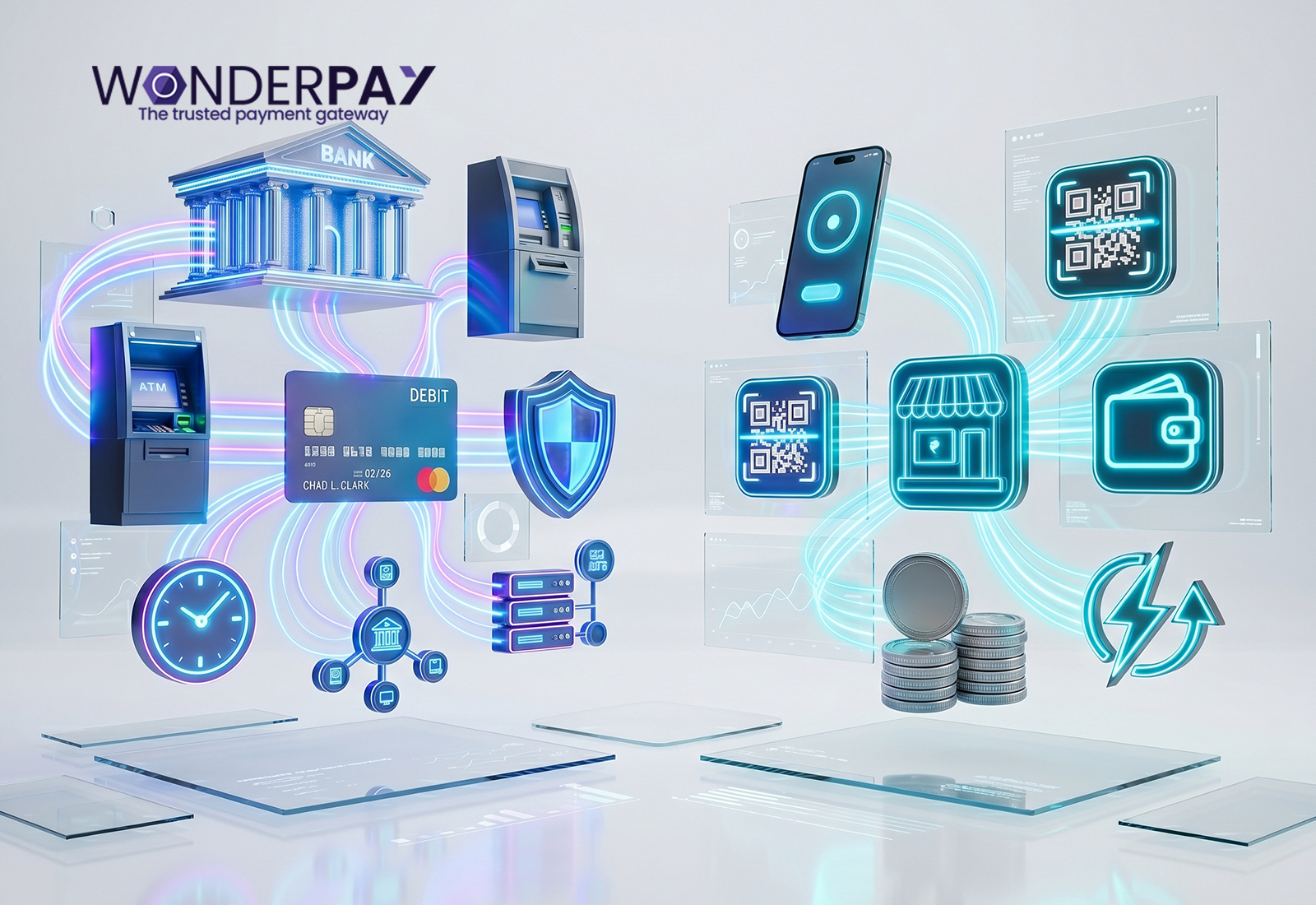
When you seek to know IMPS vs UPI, they are both available 24x7. The transactions are generally processed instantly. While NPCI manages the core infrastructure for both of them.
Further, you should be considering. Both options for fund transfer will depend on the service provider you choose. And how the individual’s bank servers and their IT capacity respond at the time of transactions.
This section includes the benefits of using Immediate Payment Services (IMPS). With this, you can know how this payment method will help you.
IMPS allows you to send payments in real time. It is typically done with a bank-to-bank transfer of payments, which makes it more secure.
Its direct account-based transactions built trust in payments. You can do it with any restrictions.

Here is a quick comparison table for the clear difference between UPI and IMPS. It will help you get a better understanding. So, you can make a decision as you need to use the same for your brand.
| A Basic Comparison | Unified Payment Interface | Immediate Payment Services |
|---|---|---|
| Payment method for fund transfer | It will route funds by using simple aliases such as a UPI ID, mobile number, or QR code. | It will require you to have banking details like the IFSC code, A/C number, and MMID. |
| User experience | The instant, seamless, and low friction experience will give you a better experience. | This will have medium friction and requires adding and verifying a beneficiary before sending payments. |
| Limits for transactions | It has a standard limit of 1 lakh while having a 5 lakh limit for the specific high value categories. | You can send up to 5 lakh per day, and it also depends on the specific banking rules. |
| Popular use cases | Groceries, bills, peer to peer transfers, retail, and shopping. | IMPS can be used for large asset purchases, business payments, and transferring funds to a person’s own bank account. |
| Accessibility | It can be accessed using a mobile application. | Use mobile apps, net banking, physical bank branches, and ATMS also. |
| What option merchants accepts | UPI has extremely high ubiquitousness which can be done across different types of businesses, from the street vendor to the online store. | IMPS is not used for direct consumer-merchant payments. It comes with strict fund transfer mechanisms. |
All of these are the things that you must be considering. At the time of knowing the difference between UPI and IMPS and using one of the options. This will help you a lot and get you to have the rich option you need.
IMPS vs UPI distinguish each of them for the use cases, and have different benefits. Suppose you want an easy, quick, and affordable payment method. Getting started with UPI payments can help you a lot. On the other hand, the IMPS is one of the best options for higher value, real time, and bank-to-bank fund transfer over 5 lakh.
The option you choose must have a clear purpose and its use cases as well. Once you are clear on the right option to use for you. You can benefit accordingly while having the rich option.
If you are in search of a better payment getaway option that can provide you with both UPI and IMPS. Do not hesitate to connect with us at Wonderpay. Contact us now and get the payment option you need.
It stands for Immediate Payment Services. IMPS provides a real time, instant, interbank electronic fund transfer system in India. This option for payments like UPI is managed by the National Payment Corporation of India (NPCI).
The difference between UPI vs IMPS has a plethora of differences. UPI is one of the mobile-based payment systems that is designed for quick, everyday retail transactions. This can be done using just a QR code scan by the payer, using a UPI ID or mobile number.
The IMPS is a traditional banking network that is used primarily for higher value transactions. It is done within the interbank transfer, which will require you to have a specific account number and IFSC codes as well.
UPI is a real time payment transfer system that can be used for direct bank-to-bank transfer. It offers an easy, peer to peer, as well as business use payment system. This makes it one of the best and greatest options that are used anytime, anywhere across the country with just a QR code, mobile number, or UPI ID for payments.
On the other side of the coin, the IMPS allows users to send their payments in real time. This also comes with bank to bank transfer. But it requires users to have the payment receivers’ all bank details, such as A/C number, IFSC code, etc., and it is a paid option to send payments.

“With a background in journalism and over 4 years of experience in content marketing, Kamaljeet Singh specializes in fintech storytelling. He transforms complex financial technologies into engaging, SEO-friendly content that helps businesses build authority and connect with their audience.”