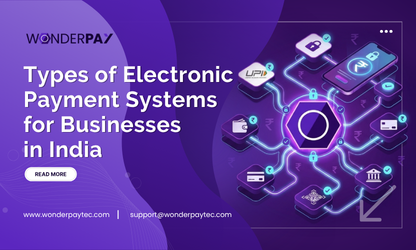
Types of Electronic Payment Systems for Businesses in India
May 23, 2026
Do you feel digital payments are not part of your life? Somehow you like to pay with just one click using just an electronic payment system via your phone, and most of the time you do not want to manage more cash every time unless it is a life and death situation, right?
In the same way, your business customers do not want to manage everything with cash when they are out or sitting in their place. Almost everything is online, whether it is in developed or developing countries.
Nowadays, electronic payment systems are not just a choice for a business but a necessity. You have to integrate the technology for online payments within your existing system, website, mobile application, etc.
In this blog post, we will discuss the meaning of electronic payment system, how you can use the same for your business, its types, and more
Keep reading, and find all the aspects you need to know.
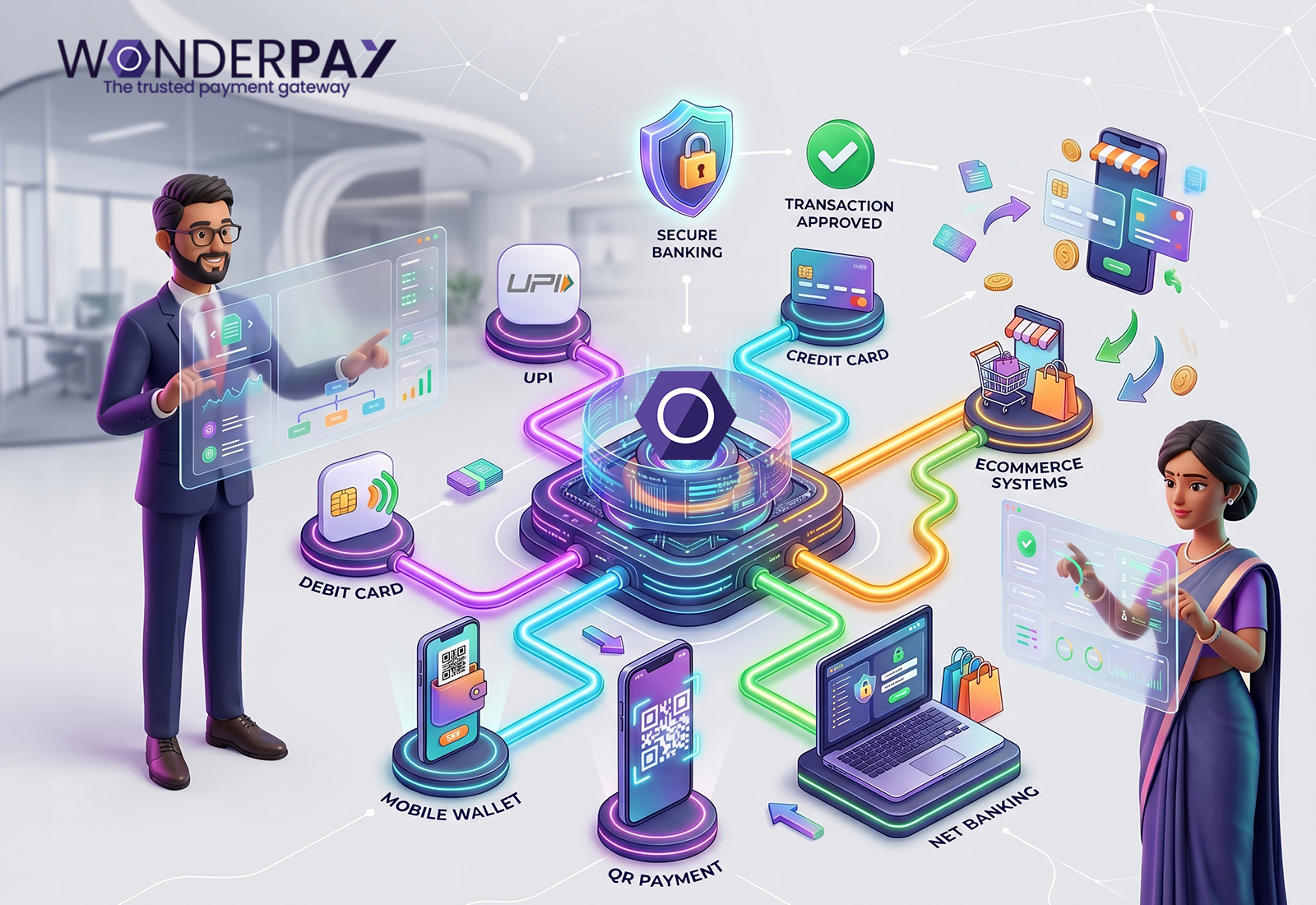
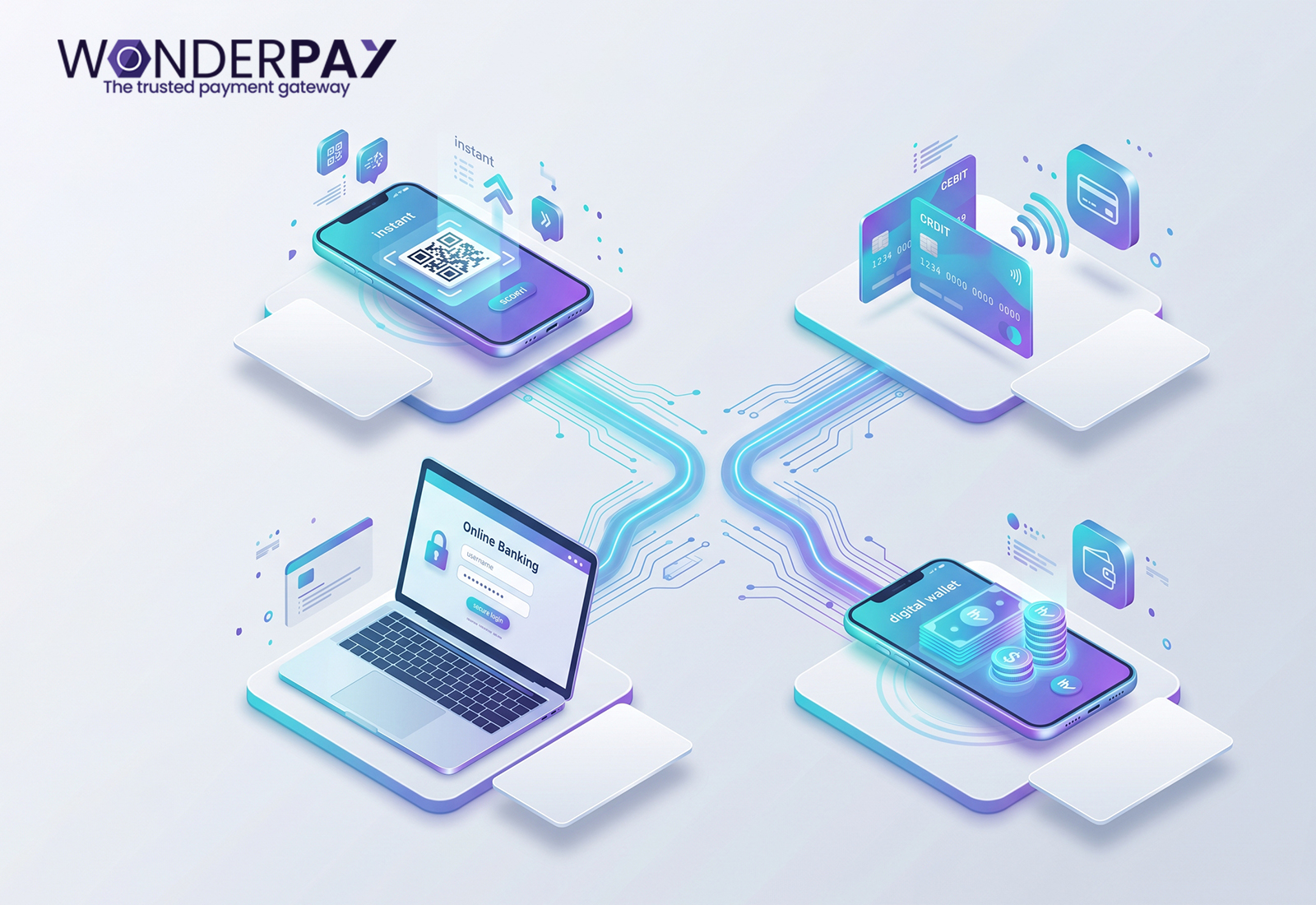
Electronic payment system definition starts with its digital methods of transferring funds between a buyer and a seller, or between individuals. Within this, any system can be used among online banking, mobile applications, debit or credit card payments, or digital wallets.
One of the e-payment types will enable you to make paperless transactions, which will further eliminate cash or cheques. At the same time, we provide you with a fast, secure, and accessible alternative for online and in-person payments as well.
The Electronic Payment System’s Common Key Components and Types Include:
1. Bank Cards: They include debit, credit, and prepaid cards.
2. Digital Wallets, Apps & Payment Platform: Wonderpay as a payment gateway system.
3. Electronic Funds Transfer (EFT): It is used for the direct transfer between accounts.
4. Automated Clearing House: It is also known as ACH, which will help you with batch processing of your fund transfers.
5. Net Banking and UPI: The online banking portals, as well as the instant, real-time UPI transfers, are all commonly used in India.
6. Contactless Payments: Within this, the NFC-based payments via tap-to-pay terminals can be used to make online payments.
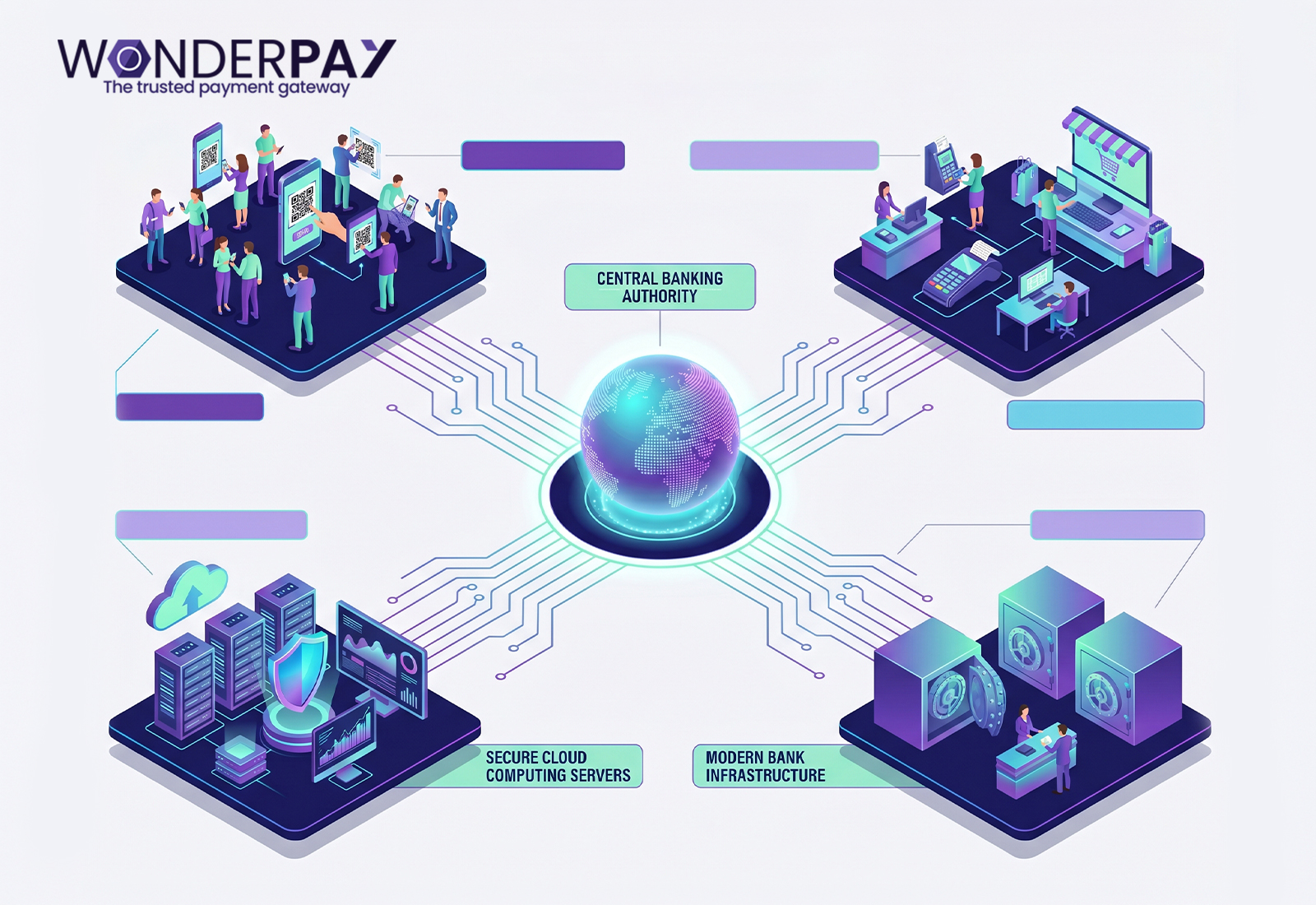
The electronic payment system in India has revolutionized financial transactions, shifting from cash-heavy to digital, which is led by the Unified Payments Interface (UPI). The system is managed and governed primarily by the Reserve Bank of India (RBI).
The improved solution of the electronic payment system with its robust infrastructure offers you a secure, real time and 24 x 7, peer to peer and merchant payments through apps, as well as 2 to 10 bank transfers such as NEFT, RTGS, and IMPS, including digital wallets and AePS, which is Aadhaar Enabled Payment System.
With this, you can determine the importance of electronic payment system for a business like yours.
The electronic payment system can help you with a number of benefits, which can help you in a number of ways. This is an improved and rich solution that you can get started with and drive your business growth.
In this section, we will discuss all the advantages of electronic payment system that you can use for your business. This will help you know how this digitalized system can help your organization and provide you with a connected experience.
1. Convenience and Speed: Your transactions can be completed instantly, which is not a strict system, but it allows you to make payments from anywhere, while helping you eliminate the need to stand in lines.
2. Reduced Costs: It comes with lower transaction costs; if you compare it to physical cash handling, it will save you the costs that seem unwanted and provide you with options that are beneficial for your business.
3. Improved Record-Keeping: The best benefit of the same system for your business that you can get to leverage is to have automated tracking of transactions, which will make budgeting and accounting easier for you.
4. Enhanced Security Features: It comes with rich security for all your transactions. It comes with the use of encryption, has multi-factor authentication for extra security, and a secure socket layer, such as having SSL protocols, which helps in protecting sensitive data.
5. Global Reach and Accessibility: Its system is going to help you a lot by facilitating national and international transactions and helping you with support and financial inclusion.
Here are some electronic payment systems’ disadvantages, which you can get to know and explore all of them in detail. In order to find out all the information and make an informed decision for the same.
1. Security Risks: This may let you face issues like susceptibility to cyberattacks, some phishing attacks such as sending to mail, and identity theft as well.
2. Technical Dependency: You will be dependent on internet connectivity, and other crucial things like power supply, which may make the same most of the time, making them useless in cases of network down time or exposing you to problems like power outages.
3. Irreversibility: You may face issues with some of your transactions, such as wire transfers, which are final and hard to reverse, and the same can be the case in case of some error.
4. Digital Divide: The lack of digital literacy, which is common most of the time after some age or maybe because of not being updated for the same or smartphone access, can exclude certain demographics as well.
5. Transaction Fees and their Costs: There may be some potential for fees which is associated with digital payment services as well as infrastructure.
All these are some of the advantages and disadvantages, which you should know. Both of them will help you get a better understanding and make a quick decision for the same by getting updated with the information discussed here.
So, in this section, we have discussed both the benefits of electronic payment system and its disadvantages. With the same, you can make an informed decision to know how it will help you.
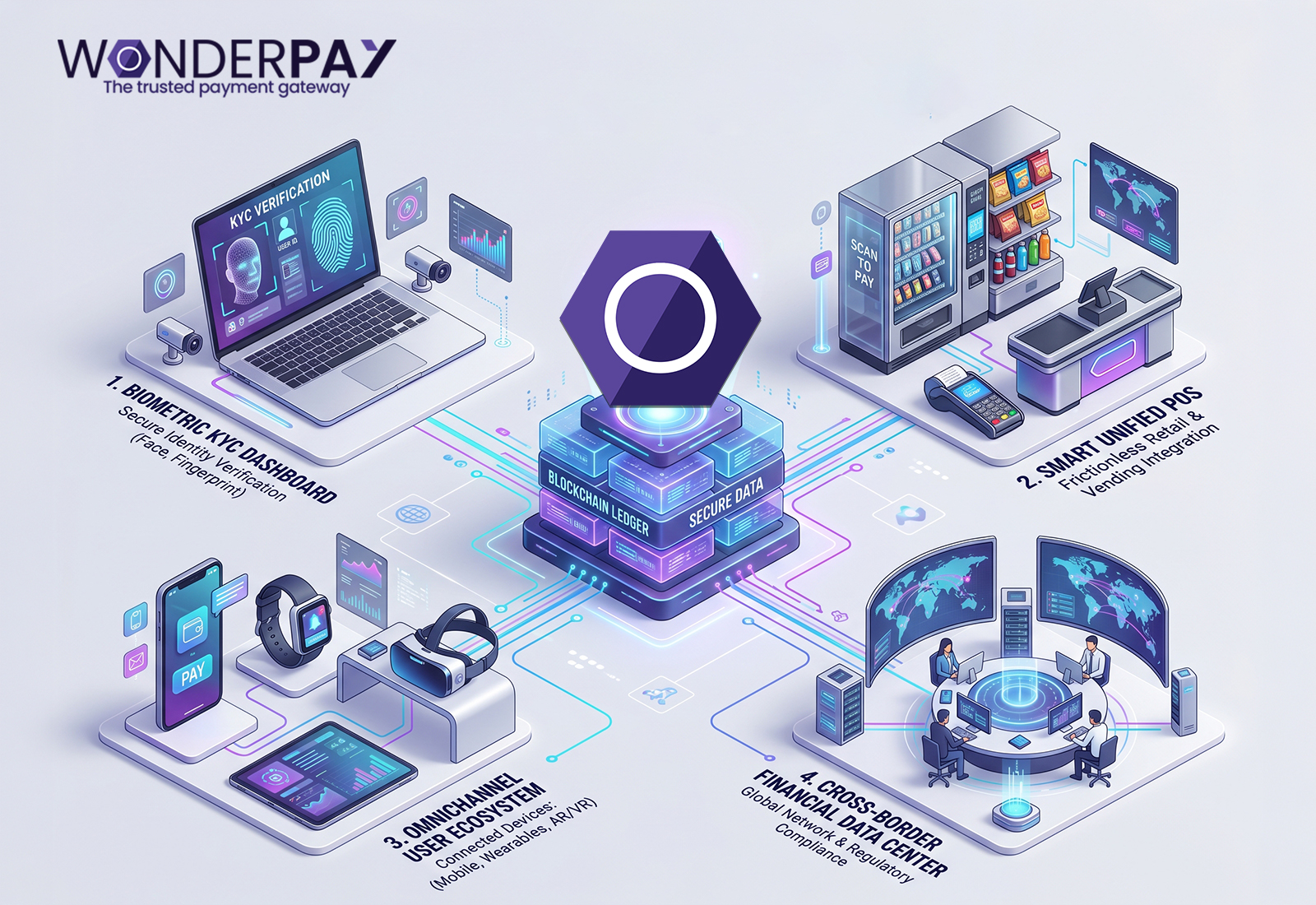
The current modern businesses can leverage a plethora of electronic payment systems at their disposal. But here you need to determine what type you need that aligns with your business needs.
Ex. One of the types of electronic payment system in e-commerce could have different use cases; on the other hand, a company can use one of the types for salary disbursement. Here, you need to make sure and make things clear by studying and conducting in-depth research for the same to know how the same is going to help you, and what its aspects are that you must consider that will work for your business.
In this section, you will get to know all the points that you must consider for your use. Here are some of the types that we will be discussing with their brief details.
The mobile first solutions are becoming one of the best options, which are now a dominant force, which are in particular in markets like India, and other parts as well, such as South East Asia.
Unified Payments Interface: The UPI is facilitating instant, bank-to-bank transfers through the use of mobile apps and platforms like WPay. Within these businesses can use static or dynamic QR codes as well in order to accept payments without expensive hardware as well.
Digital Wallets (E-wallets): The payment service providers help with wallet payments, which you can get to use and have for you to make payments in just one tap without the need for a bank account for all the payments to go through.
Payment gateway service or aggregators are ideal for businesses. It helps organizations like yours to accept payments, or at the same time disbursement. The best part of PG (Payment Gateway) or PA (Payment Aggregator) is to offer you a number of benefits, such as accepting payments using the following payment methods:
This system securely captures payment data, ensures better encryption for the payment, and facilitates the authorization process as well.
It is a traditional, but you will find it still a foundational as card payments rely on a global network of processors.
The credit or debit card: It will be processed through networks such as Visa, Mastercard, or RuPay card.
The Use of POS Terminal: This system helps users pay as it is a physical device used in retail shops to read chip and PIN as well as contactless cards.
Virtual Cards: These are used by B2B procurement as well as managing employee expenses with set spending limits.
If you are looking for large scale business to business transactions or rescuing billing. It can help you with automated bank transfers, as well as often more cost-effective than cards.
You can use the new methods, which include:
| System Type | Best For | Speed | Cost to Merchant |
|---|---|---|---|
| UPI and Wallets | Retail and quick service | Instant | Low to moderate |
| Gateways | E-commerce and SaaS | Fast | Transaction based fee |
| Bank Transfers | B2B and high value | 1 to 2 days or instant | Low or flat fee |
| Cards | General consumer | Instant (Auth) | Moderate Merchant Discount Rate (MDR) |
Now you know different types of electronic payment system which can be used in many ways and get you a number of benefits as well. As the technology is evolving, business customers are seeking new ways and looking for an improved solution. Therefore, getting started with a payment solution can help your organization a lot.
The digitization, as well as globalization, are the ones that have opened doors for a number of opportunities. They can be leveraged in many ways and drive you with a connected and improved experience, also. So, seeing the rapidly growing technology, and improving your business customers’ experience by leveraging various types of electronic payment system can help your organization a lot and fill the gap, such as card abandonment and converting buyers in less time with the easiest payment methods, such as using the Unified Payment Interface.
If you are seeking a different type of electronic payment system in one place. Wonderpay is your one-stop solution for all types of payments. You can use them and have an improved experience for your business, which is regardless of a specific industry solution. Connect with us right now and get the services you need to have for your use.

“With a background in journalism and over 4 years of experience in content marketing, Kamaljeet Singh specializes in fintech storytelling. He transforms complex financial technologies into engaging, SEO-friendly content that helps businesses build authority and connect with their audience.”