How Payment Checkout Experience Influences Your Customers
April 24, 2026
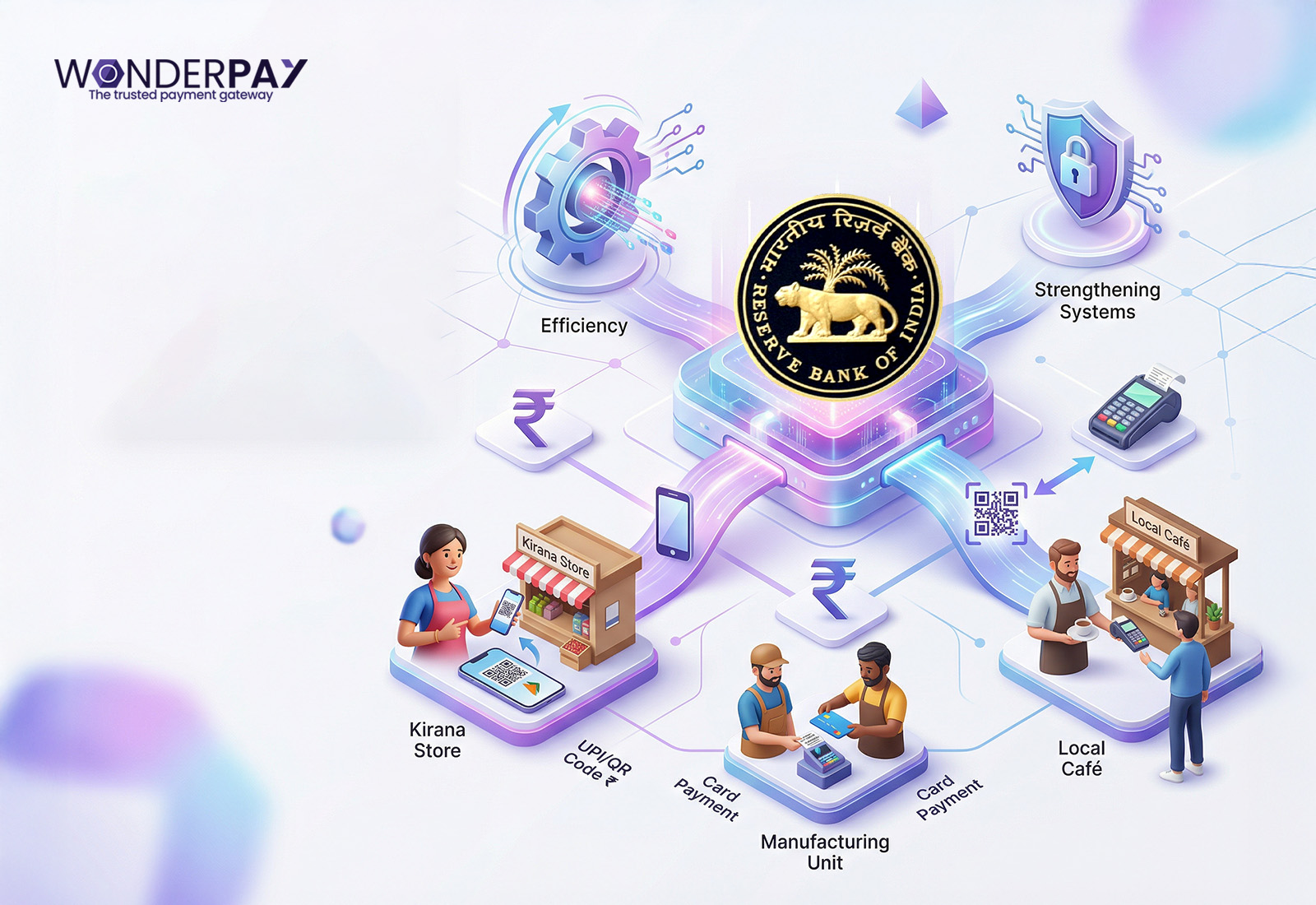
The central bank, RBI, has been periodically preparing Payment Vision since 2001. In order to provide a strategic direction for the structured development of the payment and settlement systems within the country.
The Reserve Bank of India (RBI) recently released its Payment Vision 2028 for the duration of 3 years (December 2028). It aims to empower users, strengthening safeguards against fraud, enhancing the efficiency of cross border payments, and promoting ease of doing business.
This comprehensive piece, covered by Wonderpay, will guide you through all 15 initiatives, what they are, and who they are intended to be.
India’s payments ecosystem is set for another phase of transformation as the Reserve Bank of India (RBI) outlines its long term strategy under the Payments Vision 2028.
While the official press release focuses on broad priorities such as user empowerment, fraud prevention, and efficiency, reports by The Indian Express, especially indicate that the central bank is exploring the introduction of e-cheques, a digital evolution of traditional cheque payments.
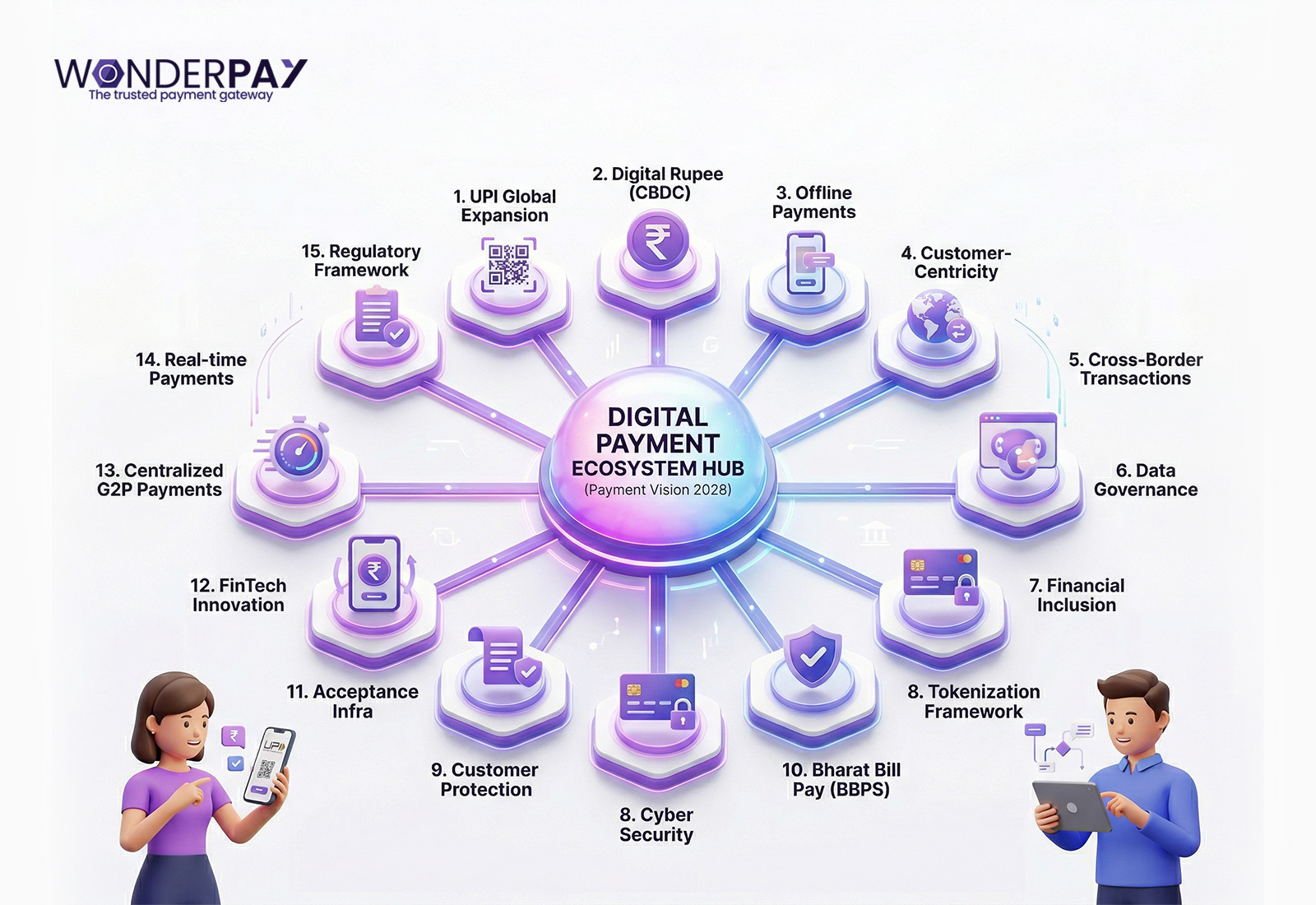
The complete list of 15 initiatives within this section will help you get a clear understanding and make an informed decision to leverage them effectively.
It allows you to prevent fraud by switching on or off features for all the digital payments, including UPI, IMPS, and more. The on and off feature was only available for card payments.
This initiative forces both the receiver and sender banks to better vet who they allow to open accounts. Both banks will be held responsible if any unauthorized transaction is made.
The full integration across all the Trade Receivable Discounting System (TReDS) platforms
What MSMEs benefited > It will allow you to upload your invoice on one platform, and financiers can access it from all the platforms. It ensures that you get the best interest rate for your working capital.
E-cheques will combine the legal trust of a paper instrument, which also comes with the digital speed.
It will help in identifying any regulatory and operational gaps within the cross border payments. The initiative assists micro, small, and medium enterprise experts involved in international payments.
This initiative’s purpose is to improve the ease of doing business. It includes a single window application process for entities that will be considered, where they require authorization under the “PSS” Payment and Settlement System Act 2007, including the Foreign Exchange Management Act (FEMA) 1999.
Under the Small Payment System Provider (SPSP), RBI examines setting up a permanent regulatory sandbox, which recognizes a new class of SPSPs, one that can operate without requiring RBI authorisation. Its goal is to shift to a tailored regulatory oversight mechanism based on the risk profile and nature of activities handled by the entities.
This aims to boost domestic and international collaboration. In order to enhance research in areas like risk management, fraud prevention, and cybersecurity.
It supports monitoring PSOs’ security mechanisms, and it will provide early warning signs related to IT risks.
Within this, the AI channels are envisioned that will serve as a single point of access for all the payment data. It will include cross border data to add transparency as well as data-driven innovation.
This will focus on building an open and interoperable card ecosystem. In order to empower merchants as well as the card users, they will have more choices, transparent pricing, and secure tokenization.
The freedom to migrate all payment instructions easily, as customers want to switch their bank accounts. It can be done, especially during bank mergers.
It brings all entities under direct regulation, including one that facilitates digital transactions, e-commerce marketplaces, and assisted payment providers in the Aadhaar Enabled Payment System (AePS).
DLEI manages risks in financial transactions. It identifies parties, especially in non-individual transactions.
Within this, the RBI will publish reports on cross border payments. It aims to analyse the domestic trends, technological advancements, transaction costs, and the speed.
By going deeper, we learned that the move reflects a deeper shift within the India’s payment strategy.
It is not there to replace legacy systems entirely; the RBI appears to be focusing on modernising it in order to fit a digital first economy.
E-cheques, if implemented, could:
Here, we go to learn that the system will align with the broader vision of building a resilient as well as a inclusive payment ecosystem.
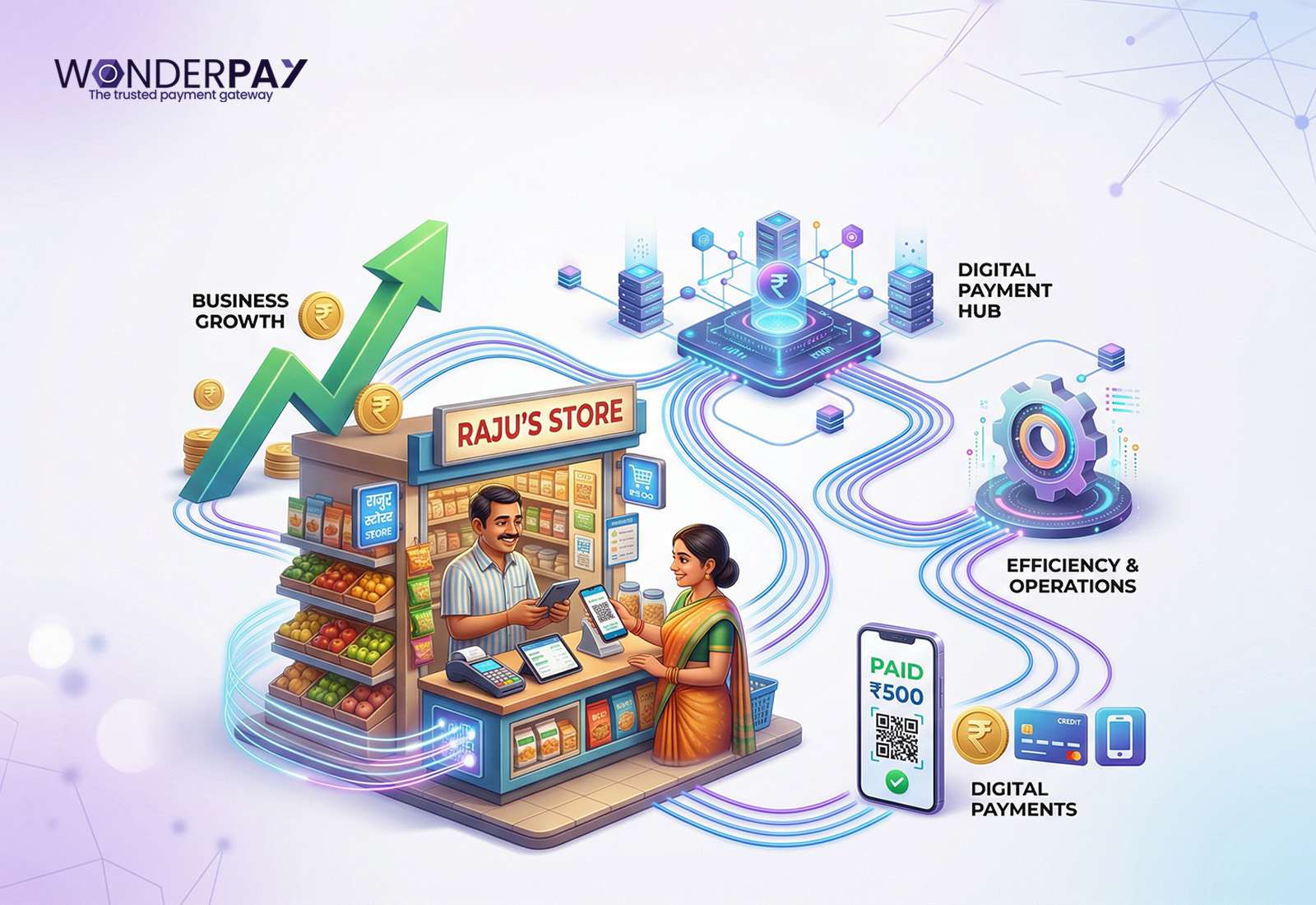
As we are seeking a big number which is rapidly adopting the real time payment systems, at the same time many MSMEs continue to rely on cheques for the purpose of:
This is largely due to:
However, the traditional cheque systems also come with the challenges. We will discuss them clearly within this section, as discussed below.
The e-cheques could address all of these gaps without disrupting the existing workflows.
This section will help you understand how the development highlights an important trend:
You get to know that India’s payment ecosystem is evolving within a multi layered system as this is not a single dominant mode.
Within this structure:
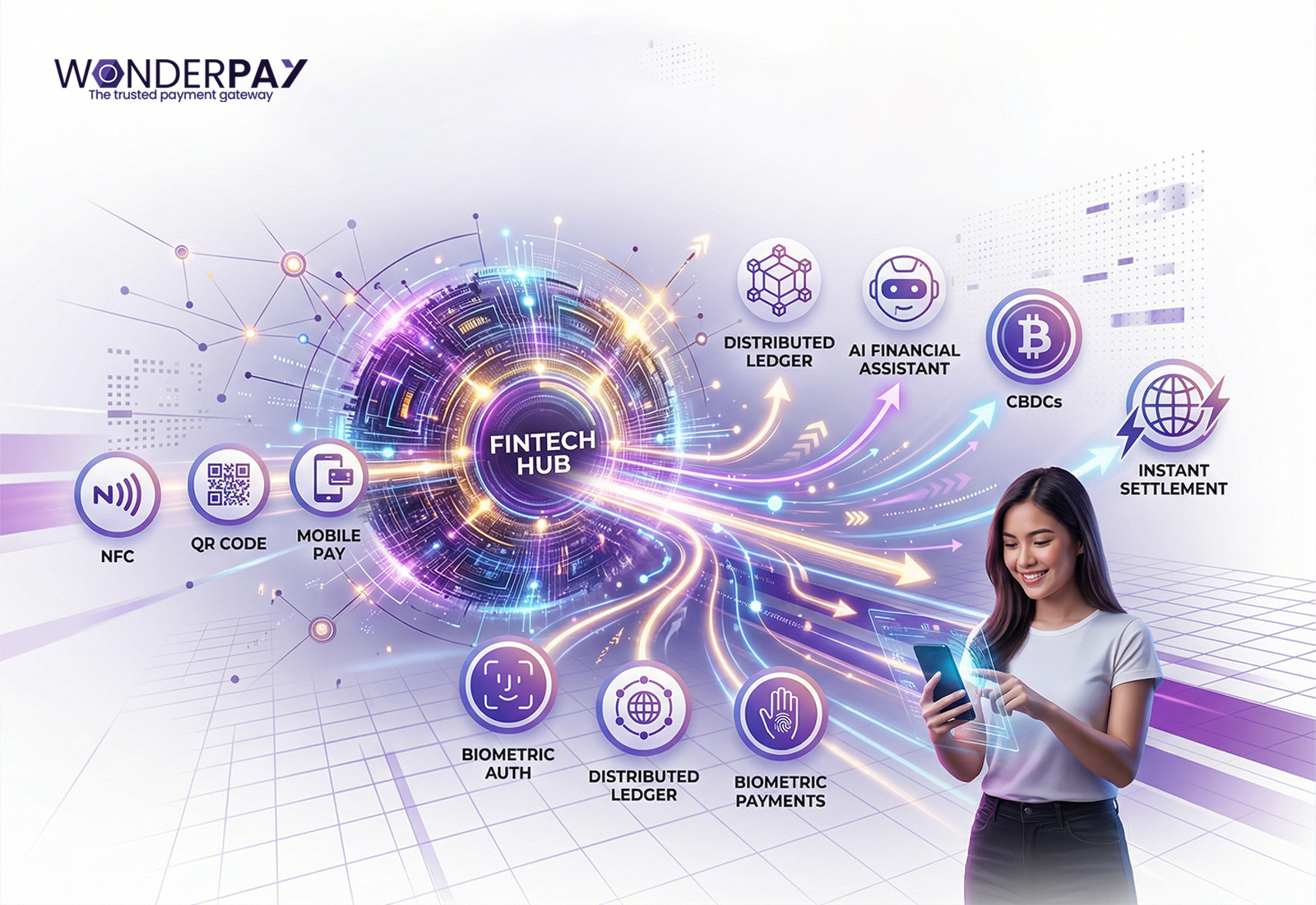
It could help businesses in a number of ways, and help them work effectively, which will drive a connected experience for them.
For MSMEs, the potential introduction of e-cheques modernization, including other 15 initiatives, represents more than just a technical upgrade.
It signals a broader shift toward:
As India’s payments landscape continues to evolve, businesses that adapt to these layered innovations will be better positioned to manage growth and risk.
Be informed, with the trending news updates with Wonderpay covered by the experts with great insights, right now.

“With a background in journalism and over 4 years of experience in content marketing, Kamaljeet Singh specializes in fintech storytelling. He transforms complex financial technologies into engaging, SEO-friendly content that helps businesses build authority and connect with their audience.”