How Payment Checkout Experience Influences Your Customers
April 24, 2026
Online payments for small business are now a days no longer an option but a necessity. If we look at today’s competitive market in case of your business not accepting digital payments this may put you to lose customers every single day.
You will find the many MSMEs think that accepting online payments is complicated. They assume it requires heavy documentation to you technical knowledge as well as long approval timelines also.
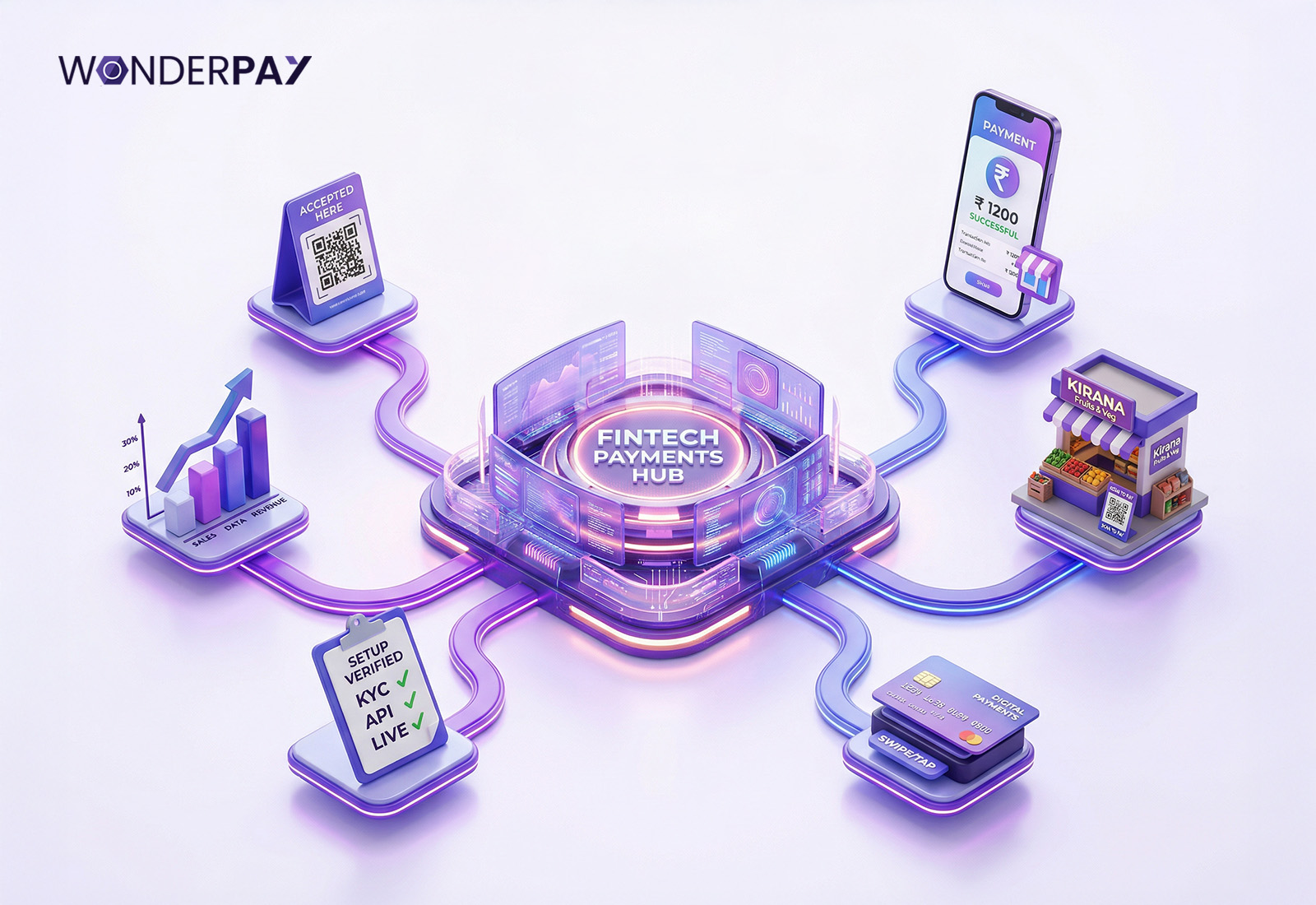
However, if you see it, you will find that is this not true; with the right approach, your business can start accepting online payments within 48 hours as you too may require. So, here is the key is to understand the process clearly well prepare everything in advance.
In this blog post, we are going to discuss how small businesses can start accepting their online payments in 48 hours and what steps you should be following to avoid delays.
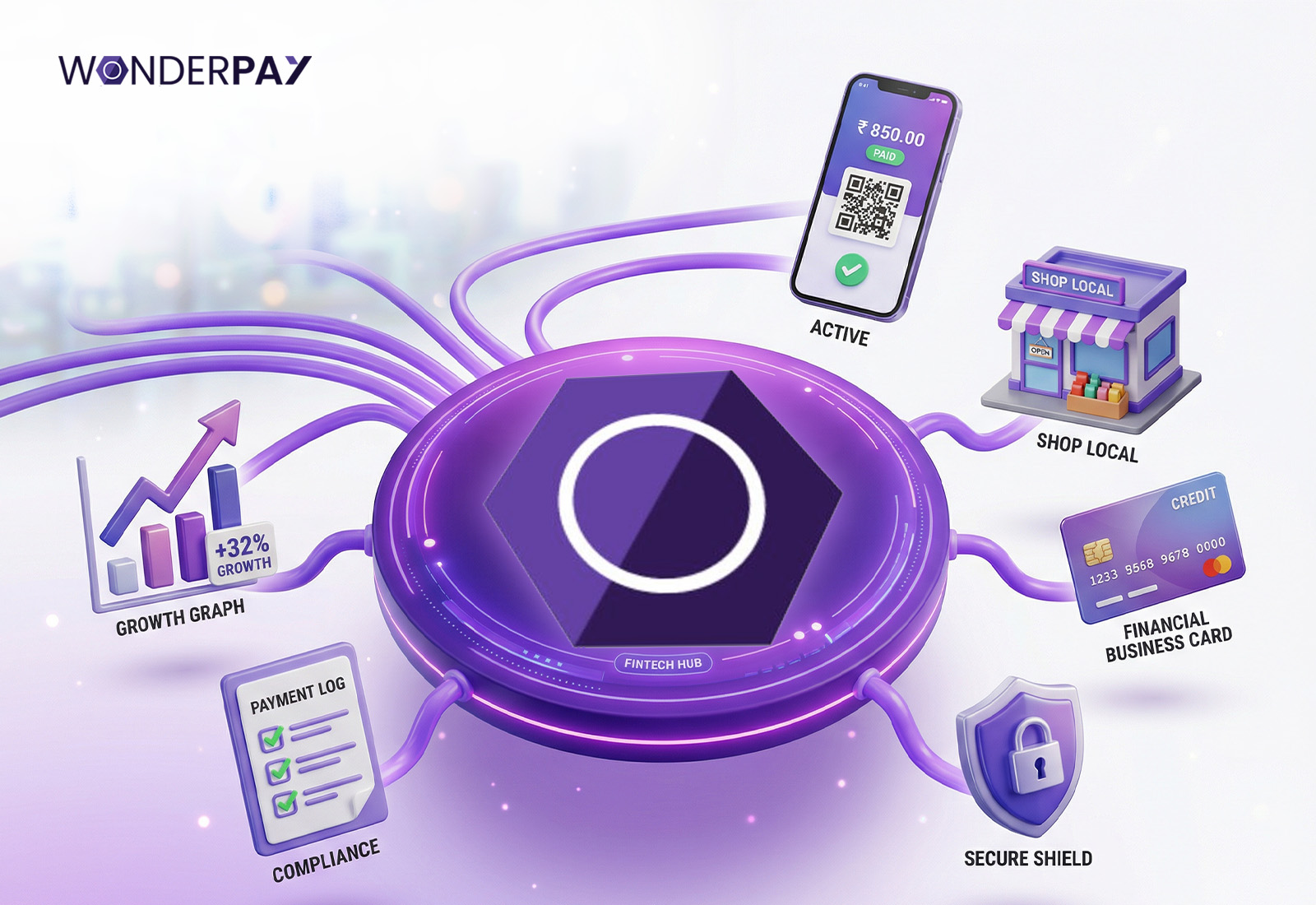
The online payments for small business will always directly affect your company’s revenue and customer experience as well. Customers now prefer UPI as it is one of the most used tool after digital payments in India, the cards payments (credit and debit), netbanking, and payment links instead of cash.
If your business is not not offering ecommerce payments MSME solutions. Your customers may switch to competitors which may put you to lose a lots of customers at a time who provide faster and easier payment options to them.
Digital payments will also help you:
This simplest strategy of yours could help you if you adopt a reliable payment solution while aligning it with your business needs as well.
Rememver before you are going to get started with the digital onboarding you need to make sure you have at lead the following documents which must be ready with you:
If all of your documents are found clear and valid. Your onboarding process could be faster. The delays usually happen due to incorrect or mismatched information as well. This could difficult for your company to have the online payments for small business of yours.
Be careful and double check everything before submission, as it will help you in maintaining everything such as avoid rejection while onboarding.
The first thing first you must always keep in mind is that getting start with a right gateway service. So selecting the right provider for your organization’s online payments is a crucial decision. Not all gateways are suitable for every business.
You must check:
In case of your business mainly works through social media such as channels like WhatsApp orders, payment links may be the best option for your small business. If you operate a retail store then getting to have a QR setup at your store can help you accept instant payments.
Here you need to also choose intelligently as well as research well.
Digital onboarding is one of the processes where your documents will be verified online. Keep one thing in mind is that it does not require physical visits in most cases.
The onboarding may include:
If all of the details are correct and have the approval from the provider also, it can happen within 24 or can be done 48 hours.
Here you need to make sure:
Here you need to remember one thing is that a small mistake could or may to your to face delays your approval timeline.
The all the things all of them are once approved you will be allowed to activate your payment methods as well.
For ecommerce payments MSME businesses, all the integration can be happened through the following things:
However, if you do not have a website you can still start with payment links. It will allow you to send a secure link to your business customers through SMS, email, or and the latest and most used platforms like WhatsApp as well.
QR setup is also simple, you can generate a QR code and display it at your store which you may have experience already. It will allow you customers scan and pay instantly.
This step is most important as it will help you in determining how fast you receive your first transaction.
It will be better for you to test the entire sytem as there could be some problems which need to fix; before you are going to announce to your business customers, you should test the entire system of yours.
At the time of implementation as everything is working smoothly you then you are now ready to accept your first transaction. As your business is now live by having online payments, right?
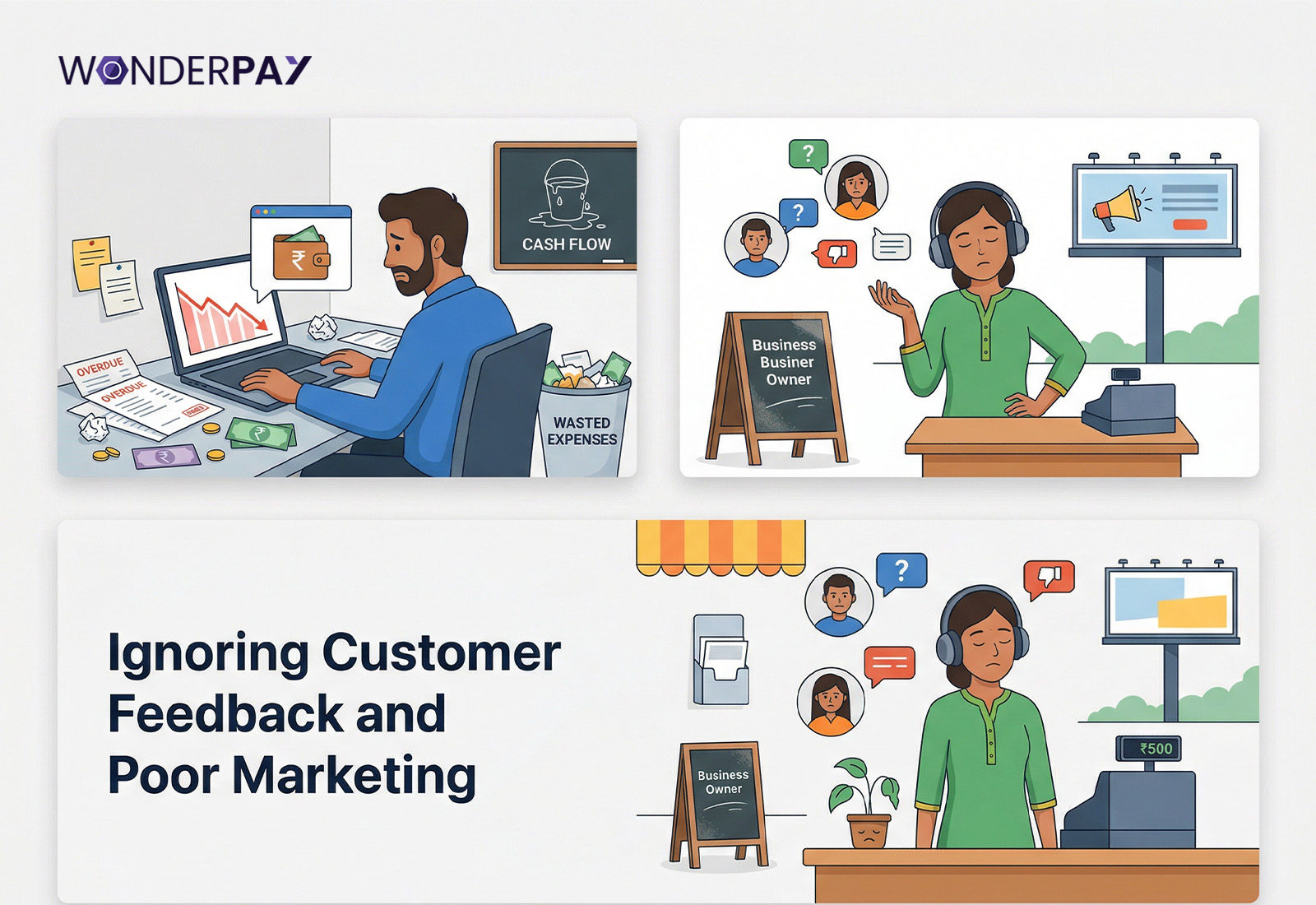
Here are some of the points that we have covered, it will help you a lot and making an informed decision. As many small businesses usually rush the process and at that time they face issues later. So, here are some considerations that you should keep in mind and avoid these all mistakes:
All of these small mistakes that may affect your earnings as well as daily operations also. So, you should be clear from the beginning.
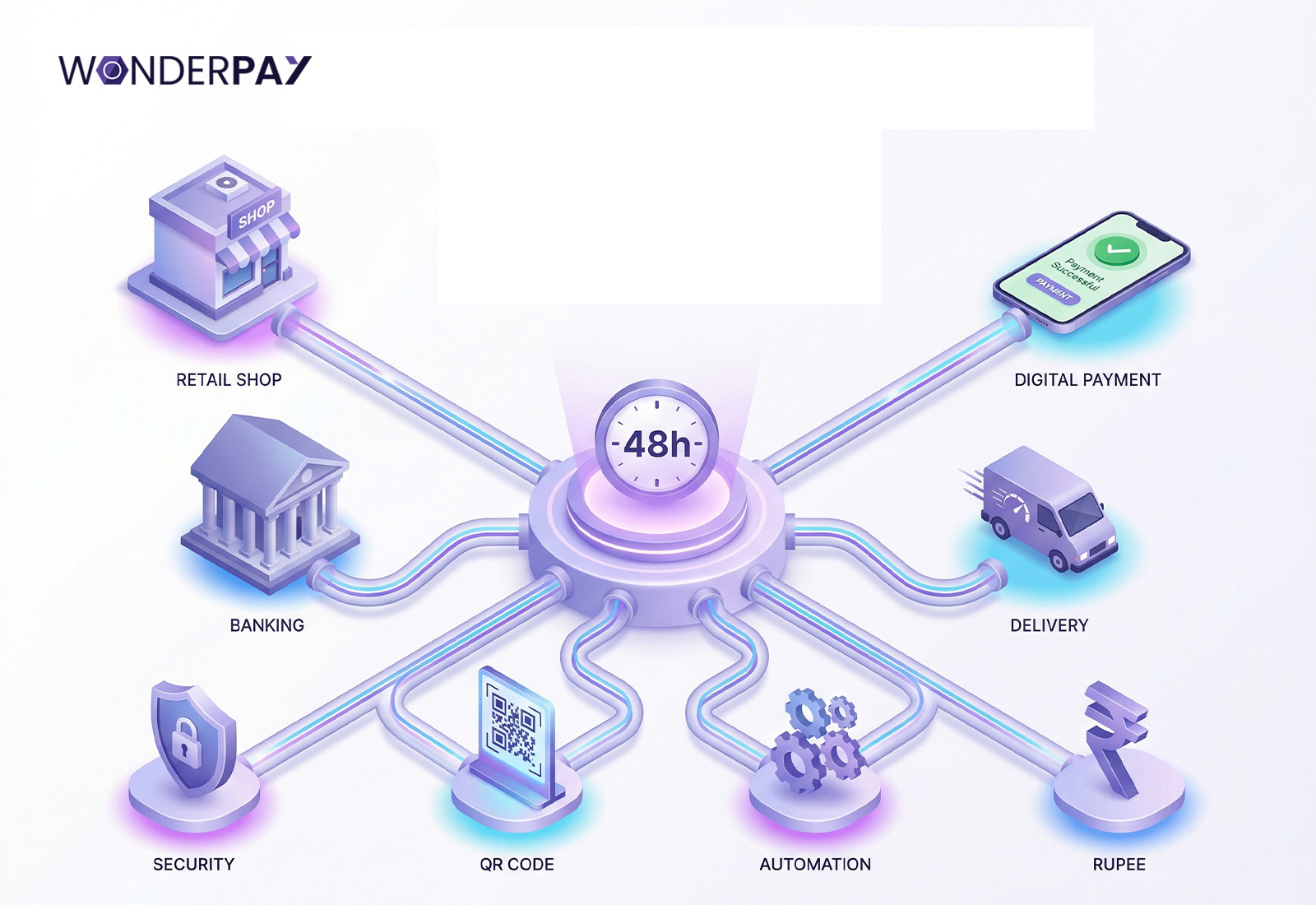
Here is all about how 48 hours is possible in order to get started and get your payments online. It does not matter what business you are in or industry you belong to. If your documents are ready and your provider supports quick digital onboarding, the process can be completed within 48 hours.
The online payments for small business is simple if they are planned properly.
Learn how payment gateway integration works for modern websites step by step.
Online payments for small business are essential for growth and survival. Without accepting digital payments, your business may struggle to compete in today’s market.
The process is not difficult. Prepare your documents, choose the right provider, complete digital onboarding, activate payment links or QR setup, and test everything carefully.
Within 48 hours, your business can receive its first transaction and begin its digital journey.
Do not delay the transformation. Align your business with modern payment solutions and give your customers the convenience they expect.
Start today and let your business grow with secure and reliable online payments for small business like yours right now!
.

“With a background in journalism and over 4 years of experience in content marketing, Kamaljeet Singh specializes in fintech storytelling. He transforms complex financial technologies into engaging, SEO-friendly content that helps businesses build authority and connect with their audience.”