5 Signs It’s Time To Switch Your Payment Gateway
September 17, 2026
The digital payment ecosystem of India has evolved from a fundamental business tool and is now an inseparable part of daily functioning, which makes a Secure Payment Gateway for the Company leveraging online payments even more vital. That level of transformation is clear from recent Government of India data, where UPI processed about 2366 crore transactions in July 2026, with a value of ₹29.88 lakh crore. UPI ecosystem grew to have 741 banks live on UPI itself, showing how the reach of digital payments is expanding throughout India.
With a growing number of digital transactions, customers want payments that are quick, safe, and easy. A poor Payment Gateway Provider can have multiple concerns like transaction failures, technical issues, fewer payment options, or complex payment gateway integration. Problems like these impact not just the customer experience, but also business processes. So while selecting the best payment gateway for your business, it is important to look forward and keep in mind reliability, security, scalability, payment options, and integration capabilities.
But how do you tell when your current provider isn’t meeting your needs anymore? These are just five indicators that it might be time to get a new payment gateway. Learn about those indicators in detail in this guide. (Source)
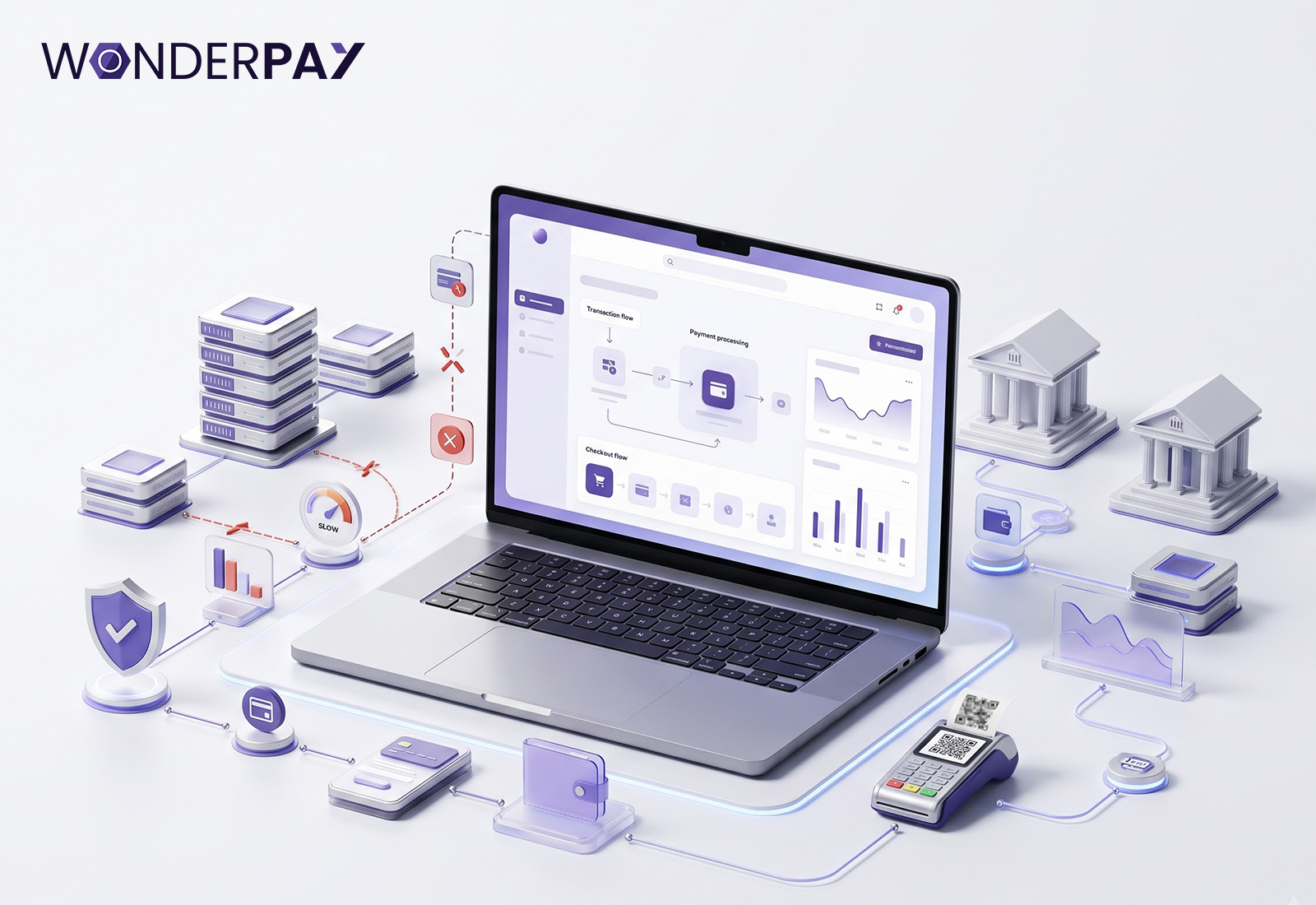
Payment Gateways occupy a considerable part of any platform that wants to serve its customers with an effective and reliable ‘payment experience’ through the Internet, and therefore choosing them wisely is integral. Good gateways do more than process transactions; they also play a role in customer retention, the trust of your customers, and the performance of e-commerce platforms.
Choosing the right payment gateway for your business ensures that these critical elements of the transactions you process meet not only your customers’ expectations but also the future needs of your business.
Without a streamlined payment process, customers may encounter slowdowns or complexities at the checkout that convince them to leave their cart behind. A Payment Gateway is supposed to make transactions fast, comfortable, and easy to carry on from a different device- securely. Mobile wallets have improved the payment experience, in addition to helping build customer confidence & encouraging consumers to return as well.
As the digital payment ecosystem in India is booming at an astonishing speed, businesses see greater importance in having a reliable payment gateway. The Reserve Bank of India data on payments in 2026 shows this growth; it recorded nearly ₹27,181.68 lakh digital payment transactions last July alone for a total value of about ₹3,143,632 crore. (Source)
Let’s briefly discuss in short that how businesses can surpass their present payment gateway when their payment requirements, customer expectations, and technology evolve. Understanding the issues that occur and helps the businesses to anlayse whether to evaluate a payment gateway provider or not.
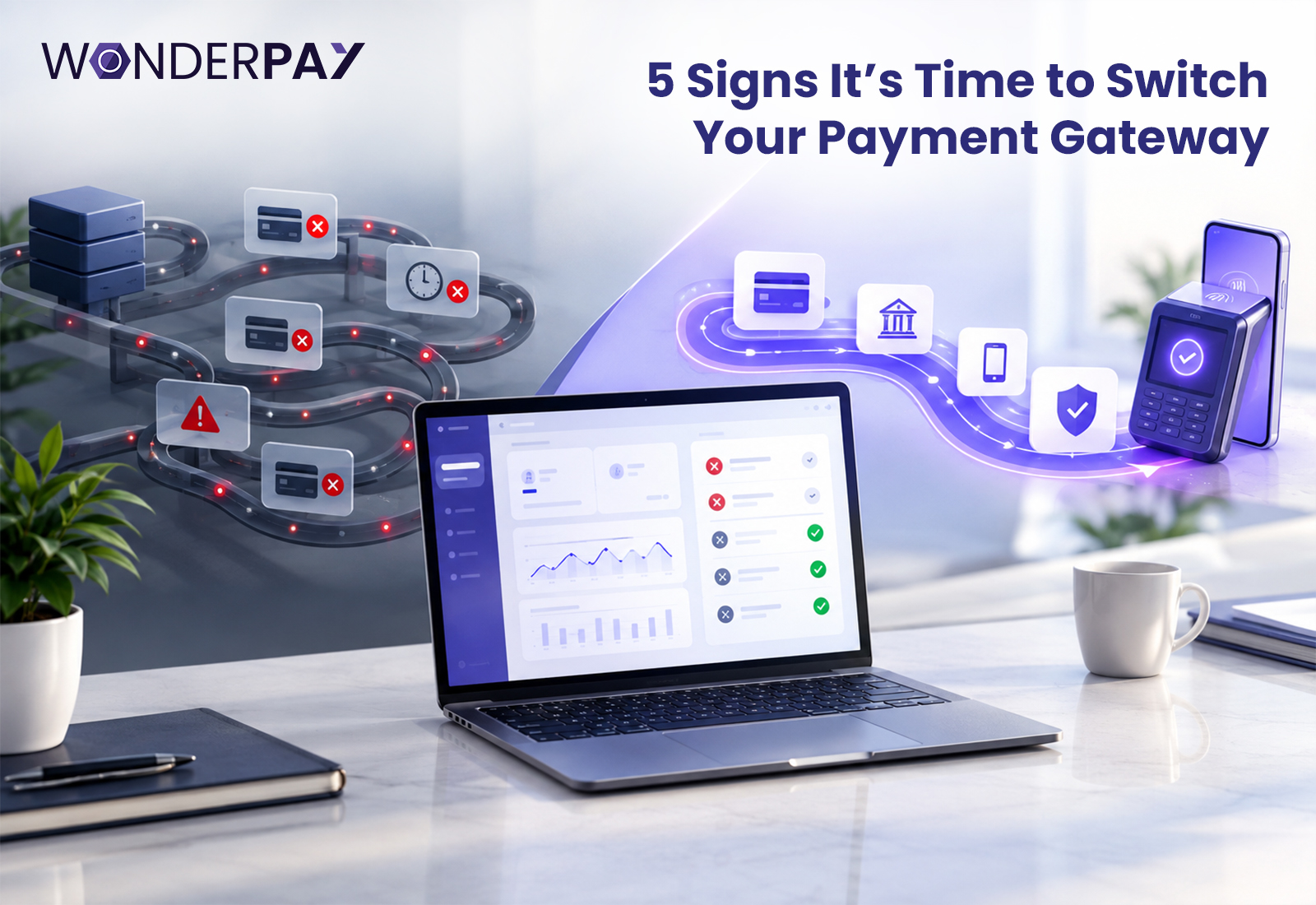
Customers raise queries about incomplete or failed transactions without any genuine reasons, or checkout examination highlights sudden fluctuations. All of this can happen due to outdated technology or poor bank integrations.
Your payment gateway might only support debit or credit cards while customers are asking for modern payment infrastructure like UPI, E-wallets, and others. It’s necessary because many customers leave their cart behind just because they don’t get their preferred alternative to complete the transaction.
Some common technical errors, like slow API response times, unreliable webhooks, and downtime, highlight that the infrastructure of your payment gateway is not a suitable option for your business.
Factors like technical errors, API regulations, and security standards lead to some severe issues during the system setup. Executing a reliable payment gateway requires constant maintenance, data reconciliation, and dedicated developers to serve the best payment services for their customers.
This inflexible processing system often fails to keep up with the transforming needs of merchants, like encouraging local currencies or split payouts. Opting for a personalised payment gateway is the best option to maintain scalable transaction flow and get beneficial payment options for commercial long-term growth.
It’s quite necessary to look for the best payment gateway to make better business decisions, so businesses should analyse more rather than focusing on just payment processing features. The growing pace of digital payments in India makes scalability, flexibility, and readability essential. According to NPCI research data, UPI completed more than 22.7 billion transactions in June 2026, highlighting the grand scale at which digital payments have been utilised in the whole country.
Opt for a service provider that offers secure payment processing, a dependable framework, and effective fraud prevention to protect payments and customer-relevant data.
The best payment gateway always supports multiple payment options; some of the common examples are UPI, debit or credit cards, and e-wallets that encourage customers to choose their preferred method to complete the transaction.
An easy payment gateway integration, developer-friendly APIs, clear documentation, and technical support can make execution seamless.
The payment gateway provider should have the capacity to manage high transaction volumes and business growth.
Quick resolution of customer queries is important during payment issues, helping businesses to manage seamless payment processing. (Source)
Shifting the payment infrastructure does not require interrupting the operations of your business. With accurate planning and testing results, businesses can switch to a new provider swiftly to maintain a seamless payment experience for existing customers. A well-structured Payment Gateway integration can minimise technical compliance during the period of transition.
First of all, start with what is wrong with your current provider. Analyze transaction performance, recurring technical issues, and customer feedback. This will give you an idea of the features and functionalities required to look for in a new solution.
Evaluate providers on the basis of security, payment options, features, integration capabilities, and scalability support. Choose a Payment Gateway Provider that meets your present needs and can scale with you over time.
Test the new Payment Gateway Integration in a controlled environment before going live. Test for various modes of payment and validate refunds, transaction notifications, and payment-status updates.
Migration should be planned step by step to avoid disturbance. Coordinate between the technical and business teams throughout, be ready to act rapidly in case of issues after go-live & monitor transactions depending on the new gateway.
If your current provider fails to deliver seamless transactions, is plagued by technical glitches, offers few payment options, or does not have the integrations that you need, switching your Payment Gateway could be worth the effort. But this should be a decision based purely on your business needs, not just one feature or benefit.
Consider important characteristics such as reliability, security, payment alternatives, integration, scalability, and customer support before selecting a new provider. A solution that excels in one area yet lags in others may not provide the level of value that your organization requires. A good Payment Gateway would offer a perfect blend of secure processing, flexible payment options, seamless integration, and reliable support. Companies should then evaluate the gateway they currently have to see whether or not it is still suitable for their operations and customers before switching.
The choice of the right Payment Gateway can have a huge impact on your customer experience and business functioning. If you realise that your current provider is often failing or having technical issues due to limited payment options or trouble integrating — it may be time for a change. When looking for the best payment gateway, ensure you check features like reliability, security, and scalability of payment methods before switching from existing ones.
With the help of a trustworthy payment gateway provider and smooth payment gateway integration, your business can process online payments easily and manage them without dispensable concerns as it continues to grow.
Want to be a part of the Wonderpay community? follow us on:
Youtube: https://www.youtube.com/@wonderpaytec
Instagram: https://www.instagram.com/wonderpaytec
LinkedIn: https://in.linkedin.com/company/wonderpay-technologies-pvt-ltd
Facebook: https://www.facebook.com/wonderpaytec
Twitter: https://x.com/wonderpaytec
If a business is facing frequent transaction failures, technical downtimes, lack of payment options, bad customer support, or integration problems, then it’s time to switch the Payment Gateway. Routine assessment of your gateway will help ascertain if the existing solution continues to align with the changing business model and customer expectations.
When selecting the Best Payment Gateway keeping in mind factors such as security, reliability, payment method support, scalability, integration capabilities, and customer support. The best solution should be alignment to your business model, transaction needs, and customer preferences by providing a seamless and secure payment experience.
Successful Payment Gateway Integration connects your website, application, or platform with the payment system so that customers can easily make transactions. Simple API integration, reliable APIs with great documentation & technical support can help cut down on implementation challenges as well as enable seamless payment management.
Understand your existing payment problems and what is required for your business before switching to a new Payment Gateway Provider. Compare potential providers against security, reliability, payment options, integration, scalability & support. Minimising disruption by testing the new gateway is also possible before going live.
Yes, when your payment provider is failing frequently, has limited ways to accept payments or technical issues switching up the Payment Gateway to a reliable payment gateway can improve the checkout experience. An experienced provider can provide customers with more seamless transactions, expanded payment modes, and a hassle-free experience.

“A fintech content specialist with expertise in financial technology, digital banking, and emerging market trends, Kanisha Mathur is skilled in crafting SEO-friendly, research-driven content that transforms complex financial concepts into engaging and accessible insights. Combining analytical precision with compelling storytelling, the writing delivers value to both industry professionals and modern digital audiences.”