UPI Charges From October 15, 2026: New MDR Rules Explained
September 18, 2026
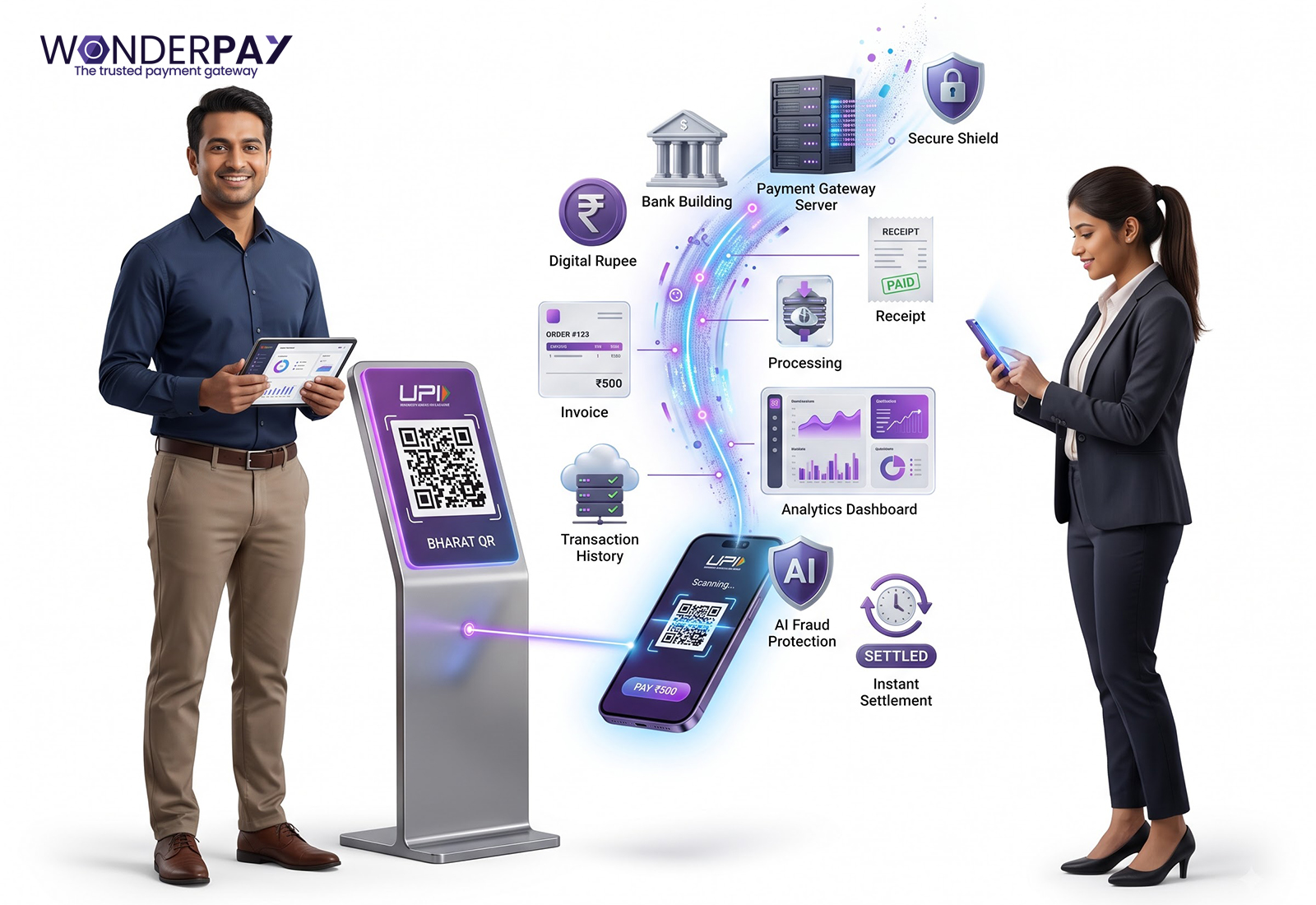
Every second, multiple people across India are making a UPI payment without even batting an eyelid about the price behind it. Are all these transactions free to use? The answer may astonish you. UPI has made digital payments quick and easy, but some transactions may involve UPI transaction charges depending on the method of payment, platform, or type of transaction. Knowing more about new UPI charges from 15 October,2026, UPI payment charges, and when a charge on UPI payment applies helps businesses stay financially savvy without incurring any unforeseen expenses.
As India massively leads the world in a revolution of digital payments, UPI has emerged as the payment choice for individuals, merchants, as well as businesses. Whether it is paying your local vendors, doing shopping online, or clearing bills, UPI is behind billions of transactions each month.
However, the total Unified Payments Interface (UPI) economy in India crossed over 55.49 crore (554.9 million) onboarded users by the middle of 2026, while business-to-merchant (P2M) adoption spans approx 6.5 crore (65 million) registered merchants.
With the increasing adoption, the issue related to charges on UPI payments, UPI payment charges, and applicable UPI payment fees has also sprung up. From finding out where all charges are applicable to UPI, who will have to pay these charges, and how to capitalise on the benefits of seamless digital payment, here is a guide that explains everything about UPI charges in India in detail.
Keep reading to uncover every detail you need to learn about UPI payment charges, reduce unnecessary costs, and optimise your online payment experience with confidence.
According to official government data on UPI adoption, 55.49 crore users were onboarded on the UPI platform as of June 2026. UPI transactions also reached 24,161.69 crore in volume during FY 2025–26.
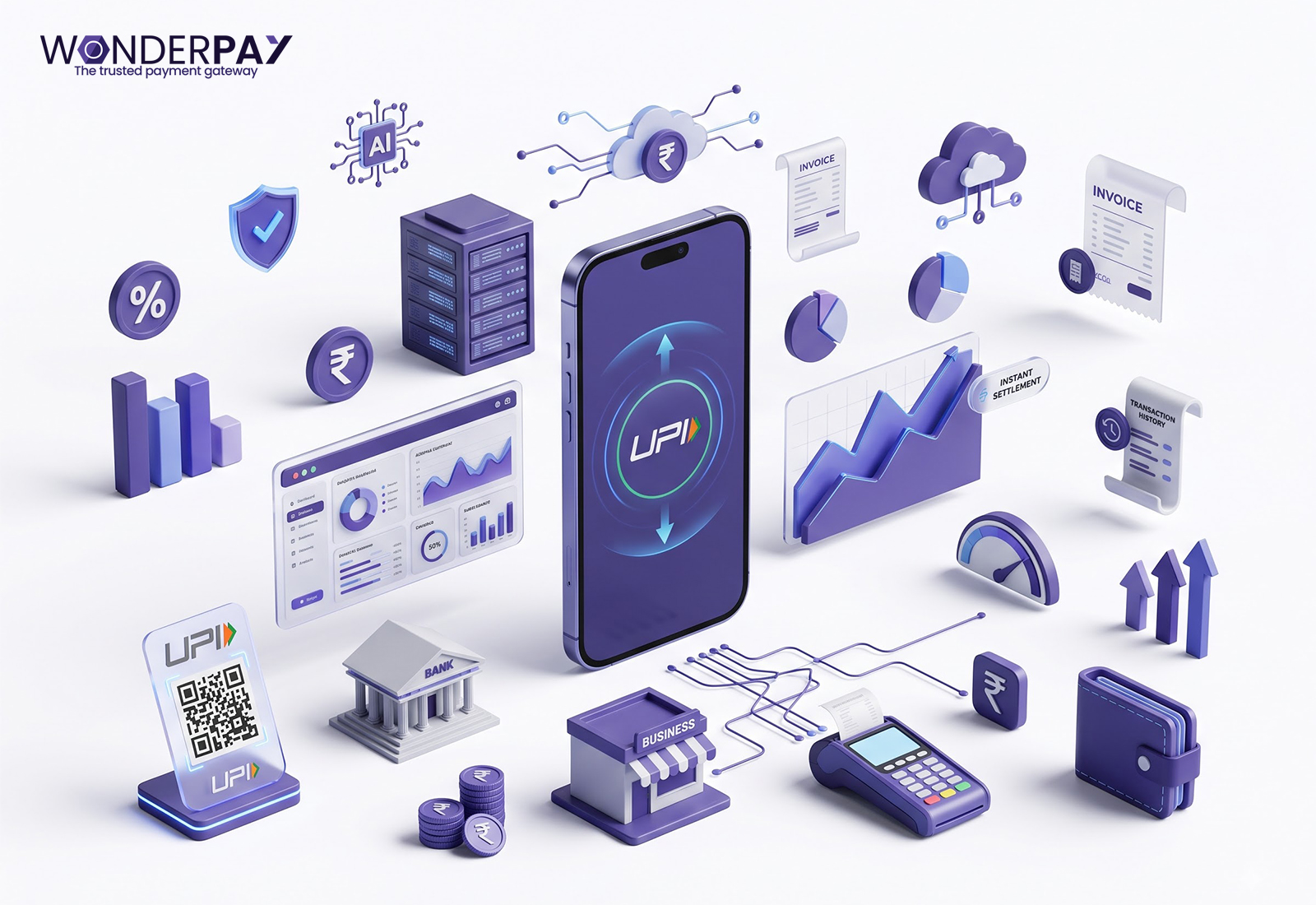
UPI transaction charges and UPI payment fees are the costs associated with a completed transaction that has been made through the Unified Payments Interface (UPI) network, but the charges are currently zero for individual users and applicable to businesses in certain cases.
Bank-to-Bank Transfer: The transactions are totally free and incur 0% charges if you are making payments through savings accounts to your family, friends, or just paying your bills at stores.
PPI/Wallets: Using some prepaid payment instruments and digital wallets for personal transactions is also free of charge.
Standard Bank-to-Bank Payments: Governed by a government-mandated zero Merchant Discount Rate (MDR), which means no network or switching fees for account-to-account UPI transfers.
Wallet & PPI Transactions: Merchants will be charged an interchange fee of up to 0.5% to 1.1% (if paying using a Prepaid Payment Instrument).
Credit Card on UPI: UPI payments via linked credit cards may be charged an MDR of 1.1%-2%.
Payment Gateway Platform Fees: Third-party Payment Gateways charge technology, security, and settlement platform fees, whereas the network MDR is 0%.
This section will help you understand and get in-depth insights into the UPI transaction charges. So, you can make informed decisions and get started with UPI transactions for your company to get a digital money transfer solution for your organization.
Global Market: Manage over 49% of real-time transaction volumes according to ACI Worldwide research. Processed around 21. 7 billion monthly payments worth ₹28.33 lakh crore (approx. $335 billion USD) as of early 2026.
Indian Market: The UPI system in India is the world’s largest retail fast-payment system, processing over 21.70 billion payments worth over ₹28.33 lakh crore in January 2026.(Source)
Digital Payments in India: According to the Ministry of Finance, digital payments in India reached over 20,343 crore transactions valued at ₹2,357 lakh crore during the first nine months of FY 2025-26.(Source)
UPI Status: During FY 2025-26, India’s UPI processed over 24,162 crore transactions worth ₹314 lakh crore. (Source)
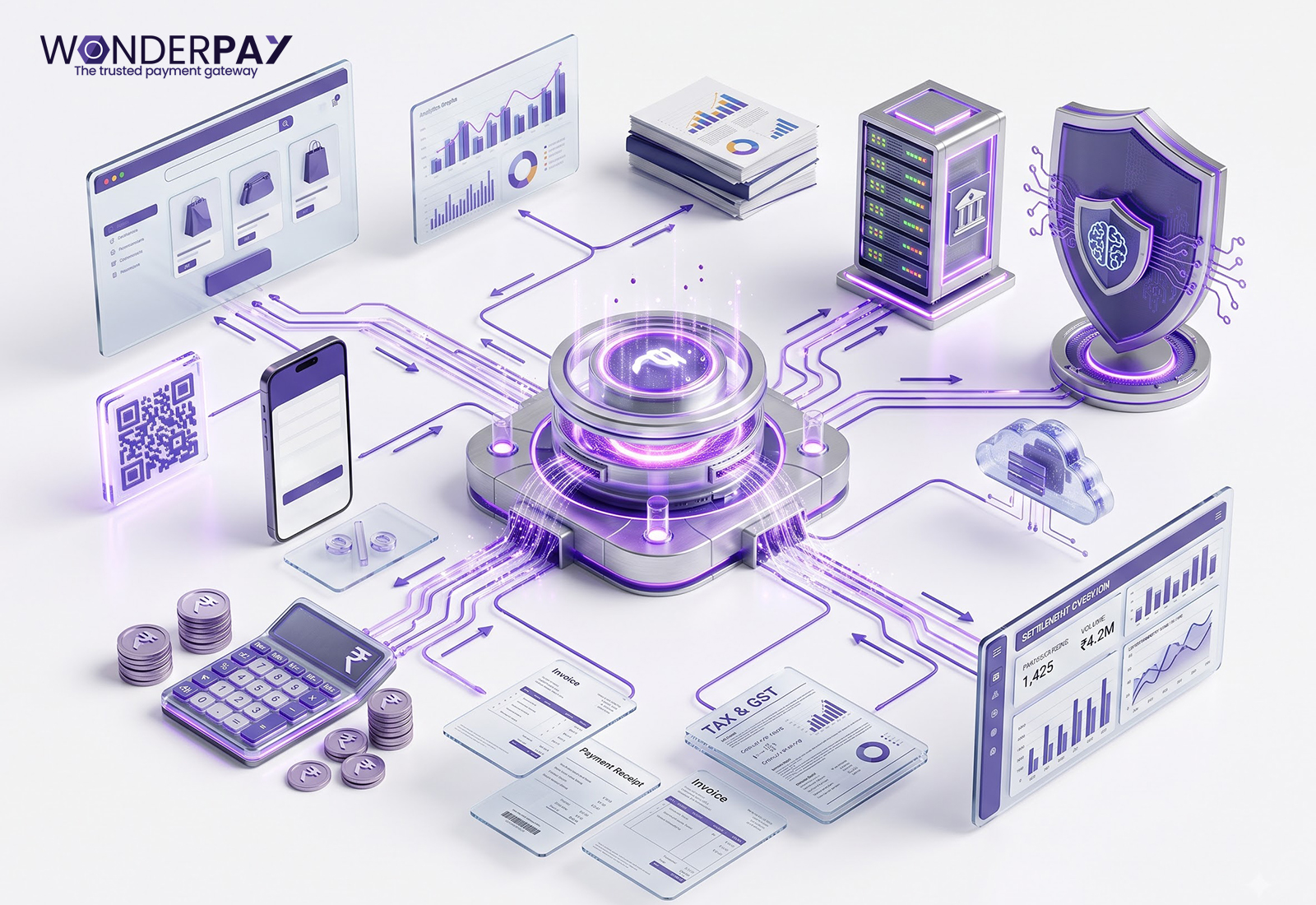
For both customers and companies utilizing digital payment services, it is crucial to comprehend UPI transaction charges. The majority of UPI transactions are free, but depending on the payment method, transaction nature, and regulatory requirements, some transactions may incur fees. UPI payment charges are determined by a number of variables that affect the total cost of payment processing. Users can make wise financial decisions, steer clear of unforeseen expenses, and select the best payment option for their requirements by being aware of how these charges operate.
UPI charges are mostly determined by the type of transaction. Direct person-to-person (P2P) transfers between bank accounts are typically free for consumers. However, depending on the relevant regulations and the payment service provider, some person-to-merchant (P2M) transactions or particular payment circumstances can result in fees for UPI payments.
UPI payment charges are also influenced by the payment source. While transactions begun through authorized prepaid payment instruments or digital wallets may result in a charge on UPI payments under certain conditions, payments made through linked bank accounts typically stay free for clients. Users can estimate any applicable fees ahead of time by being aware of the payment method.
Depending on the type of business and the sector in which it operates, merchants may pay different fees for UPI transactions charges. Depending on the payment provider’s regulations, transaction risk, and service offers, certain businesses may have distinct price structures. Businesses can more effectively control processing costs by selecting the appropriate payment partner.
In certain situations, the amount being transferred may also affect UPI payment fees. Certain high-value or specialized transactions may be subject to additional pricing restrictions, even though the majority of regular UPI payments are still free. To determine their total payment processing costs, businesses that handle high transaction volumes should examine the charge structure.
Pricing strategies for merchant services vary throughout payment gateways and service providers. While some may charge according to transaction volume or other value-added services, others may provide clear, fixed pricing. Businesses can lower UPI charges in India while preserving a seamless payment process by comparing suppliers.
Regulations set by industry associations and relevant agencies also have an impact on the ultimate computation of UPI transaction charges. The UPI payments charges for particular transaction types may be impacted by changes to payment policies, fee schedules, or compliance requirements. By being aware of these rules, businesses and consumers can use UPI with confidence and save money.
This discussion will help you to learn and connect with the right service provider, such as Wonderpay, to encourage business growth and expand it in large areas.
Related read: What is a UPI QR code & it’s Working?
The National Payments Corporation of India (NPCI) has set the daily limit for UPI transactions at ₹1 lakh. For UPI, the per-transaction limit is ₹10,000. Users can do a maximum of 20 UPI transactions within 24 hours.
A higher transfer limit of ₹5 Lakh via UPI for certain transactions is applicable, like:
It’s essential to focus on the fact that UPI transfer limits are not the same for all banks. Therefore, different banks provide a range up to ₹25,000 per day or up to ₹1 lakh daily. Some banks even place weekly or monthly limitations instead of daily restrictions.
UPI payments in capital markets, foreign remittances, and insurance limits were ₹5 lakh per day as of September 2025. For verified educational and healthcare merchants.
You can only transfer a certain amount of money every 24 hours, and if you surpass these limits, you’ll have to wait for that period to reset before being able to send more.
Within the UPl network, each bank sets its own weekly UPI transaction limit. Weekly transaction limitations are set by certain banks.
Certain banks in the public and private sectors are subject to the monthly UPI transaction limit, which varies depending on the financial institution. The majority of banks use a daily limit cycle. Monthly and weekly caps are rare and usually only apply to high-risk accounts or for security purposes.
Effective cost management of digital payments requires more than just understanding UPI transaction charges. Adopting the appropriate tactics can help reduce UPI payment fees without sacrificing ease or security, whether you are a person making regular payments or a company handling hundreds of transactions. You may cut costs and take full advantage of India’s expanding digital payment ecosystem by selecting the appropriate payment methods, evaluating service providers, and remaining up to date on relevant regulations.
Use your linked bank account to make UPI payments whenever you can rather than a prepaid wallet. In qualified situations, this can assist in reducing relevant UPI payment rates while guaranteeing quick, safe, and easy transactions.
Before making a choice, businesses should assess many payment service providers. Finding a solution with reasonable UPI fees and clear price structures is made easier by comparing pricing models, settlement schedules, and extra services.
The charge for each UPI transaction varies. Users and merchants can plan payments more effectively and prevent unforeseen expenses by being aware of which transactions may result in charges on UPI payments.
Payment reports and transaction data should be regularly reviewed by businesses. Payment trends can be analyzed to find ways to manage UPI transaction charges, optimize processing expenses, and boost overall financial efficiency.
Regulations and payment rules are always changing. Monitoring the most recent UPI charges in India guarantees that businesses and customers are informed of any modifications impacting UPI fees or transaction processing.
The total charge on a UPI payment can be considerably decreased by selecting a reliable payment gateway such as Wonderpay with clear pricing, safe infrastructure, and effective support. Additionally, a trustworthy supplier helps companies improve customer satisfaction while streamlining payment processes.
Suggested read: Why Every Business Needs a UPI Payment Gateway?
With a digital payments ecosystem where UPI is expanding, consumers as well as businesses need to know about the latest regulations on UPI. The UPI transaction charges structure and other operational guidelines may be revised from time to time with a view to establishing higher security, better transaction efficiency, or more fluidity in the payment experience in the system. By keeping an eye on the latest UPI charges in India, payment policy, and the guidelines, users not only save themselves from transaction failure but also allow businesses to provide a safe and secure digital payment service.
To enhance security, UPI platforms are investing extensively in advanced authentication, fraud detection systems, and real-time monitoring. Such updates assist users as well as make digital payments much safer.
Depending on the payment category, participating bank, or authorized use case, transaction limits may apply. Users are advised to check the relevant limits before making any high-ticket-size UPI transactions.
All businesses picking up UPI payments must make certain that all regulatory requirements and payment gateway requirements are met. Adhering to these helps maintain continuous acceptance of payments and aligns with regulatory requirements.
Consider that applicable UPI payment charges and UPI payment fees may vary based on a transaction type, a payment instrument, or by the service provider. They can also know about any charges of UPI payments prior to authenticating a transaction by reviewing the new fee structure themselves
The new guidelines emphasize quick complaint resolution and helpful dispute resolution processes. This facilitates a faster and timely resolution of failed or disputed transactions reported by users.
Payment service providers must adequately clarify UPI charges, settlement periods, and operational terms. Drawing on transparency, the amended rules will help consumers and other businesses to take informed decisions where they would be paying the right UPI transactions charges effectively.
The future of UPI transaction charges in India will likely reflect the importance of balancing affordability with innovation and sustainability of the digital payments landscape. Regulatory authorities and payment service providers will continue improving pricing frameworks without compromising user experience, even as the rate of UPI adoption accelerates.
The absence of more transparent UPI payment charges, competitive pricing models, and value-added payment solutions could benefit businesses. Also, consumers can anticipate greater uniformity around UPI charges in India, charges on UPI payments, and payable UPI payment fees. These developments will facilitate a more innovative, secure, and scalable digital payment experience for all.
Businesses and consumers wishing to make wise digital payment decisions must be aware of UPI transaction charges. Knowing when UPI payment costs or fees apply helps prevent unforeseen expenses, even though many UPI transactions are still affordable. You can take advantage of safe and easy transactions by picking a reliable payment partner and keeping up with UPI charges in India. Wonderpay helps businesses streamline payment processing while providing an outstanding digital payment experience by providing dependable, effective, and transparent payment solutions.
Want to be a part of the Wonderpay community? follow us on:
Youtube: https://www.youtube.com/@wonderpaytec
Instagram: https://www.instagram.com/wonderpaytec
LinkedIn: https://in.linkedin.com/company/wonderpay-technologies-pvt-ltd
Facebook: https://www.facebook.com/wonderpaytec
Twitter: https://x.com/wonderpaytec
Most person-to-person (P2P) transfers made directly between bank accounts do not attract UPI transaction charges for users. However, certain transaction types, payment methods, or service-specific scenarios may involve applicable UPI payment charges. Always check your payment provider’s terms before initiating a transaction.
UPI payment charges may apply depending on the transaction type, payment instrument, and the platform being used. While many everyday UPI payments remain free, certain merchant transactions or eligible prepaid wallet-based payments may attract UPI payment fees as per applicable guidelines.
The responsibility for charges on UPI payments depends on the transaction type and the pricing policy of the payment service provider. In many cases, consumers are not charged for standard bank-based UPI transfers, while merchants may incur processing fees for specific payment services.
Businesses can minimise UPI charges by choosing a payment gateway with transparent pricing, comparing different service providers, and monitoring transaction volumes regularly. Selecting a reliable payment partner also helps optimise UPI transactions charges while ensuring secure and seamless payment processing.
No. UPI charges in India can vary depending on the payment service provider, payment instrument, transaction type, and merchant agreement. Before using any platform, review its pricing policy to understand whether any charge on UPI payment or additional service fee applies.
Wonderpay provides businesses with a secure, reliable, and scalable payment infrastructure designed to simplify digital transactions. With transparent pricing, quick settlements, and seamless integration, it helps businesses efficiently manage UPI payment charges, improve customer payment experiences, and support long-term business growth.

“A fintech content specialist with expertise in financial technology, digital banking, and emerging market trends, Kanisha Mathur is skilled in crafting SEO-friendly, research-driven content that transforms complex financial concepts into engaging and accessible insights. Combining analytical precision with compelling storytelling, the writing delivers value to both industry professionals and modern digital audiences.”