What Is An Escrow Account? Meaning, How It Works, & Benefits
November 11, 2026
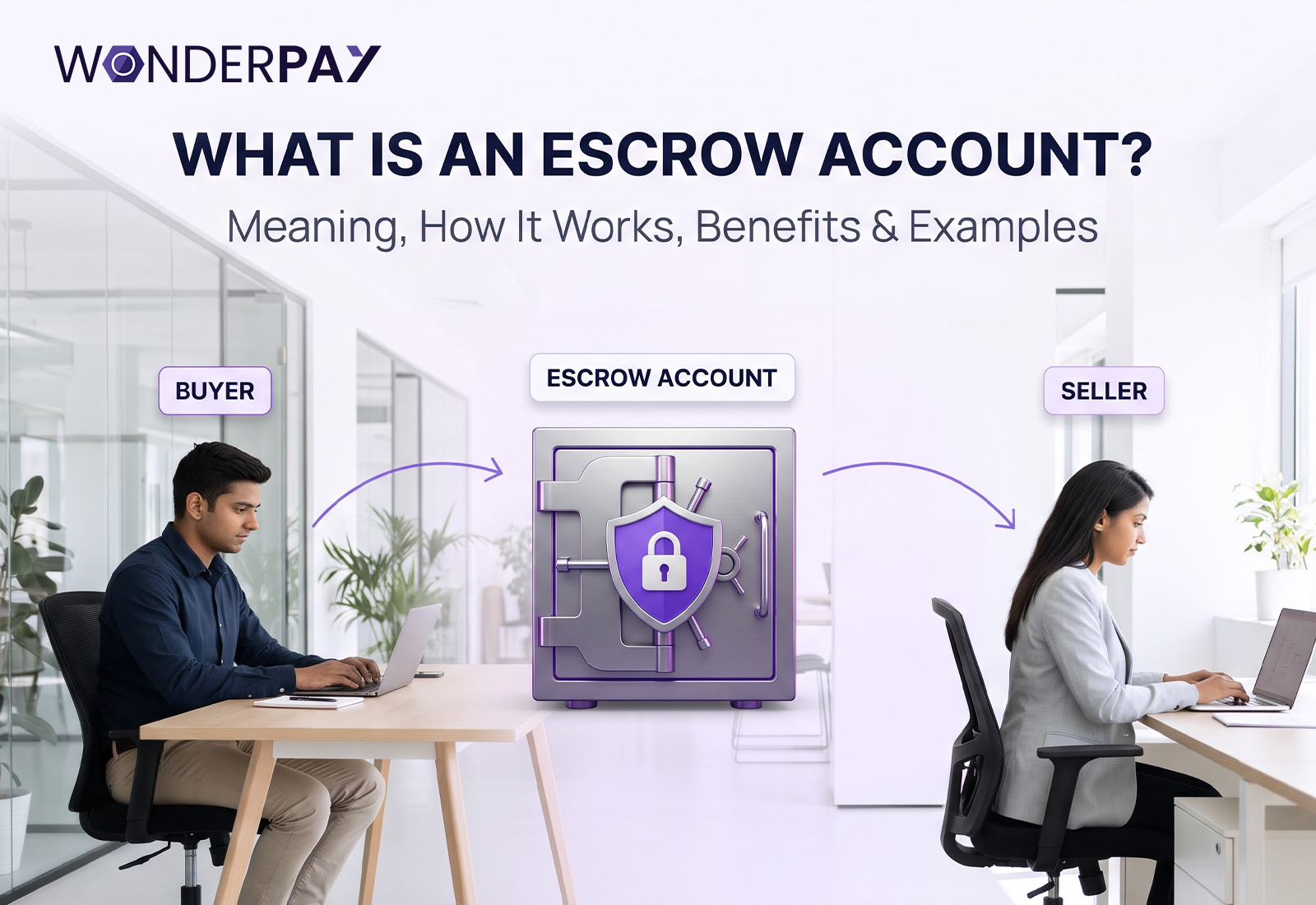
Trust is the basis of every worthwhile financial transaction, and it’s hardest to make promises of trust between strangers. A buyer is worried the seller won’t make good on the contract. The seller is worried that the payment will not be received at all. Modern commerce is not based on goodwill, but on some third party in the middle who holds the cash until both parties fulfill their obligations. This is made possible by a structure called an escrow account.
Ever wonder what is escrow account and why websites and builders and banks require it? Let’s break down the escrow account meaning, the step-by-step process, the types of escrow accounts available, the advantages they offer, and how it works in India. On the way, a practical escrow account example will be provided to demonstrate what it looks like in reality.
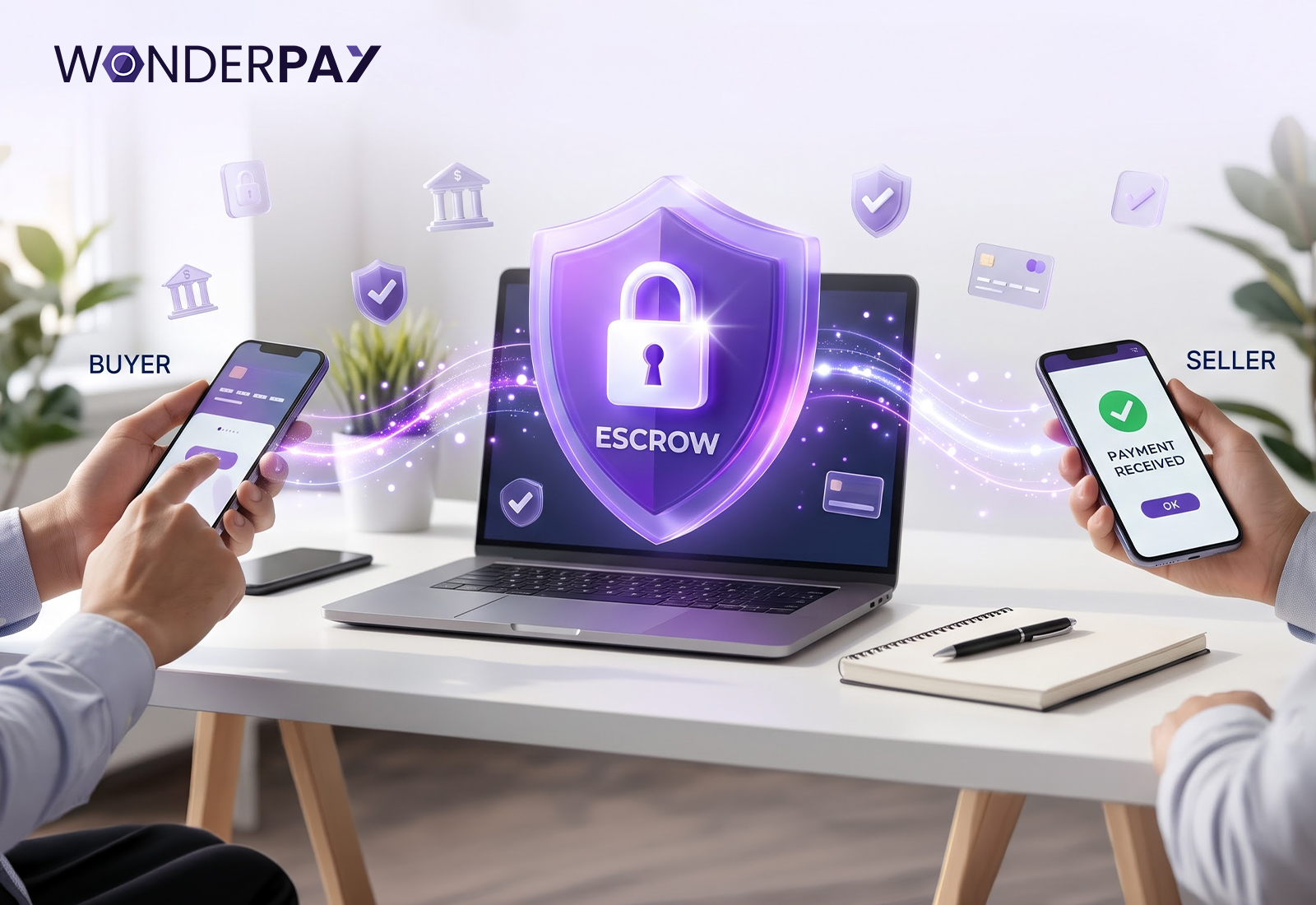
An escrow account is, simply put, a safe place for a neutral third party to keep your money, stocks, or other important papers while you wait to meet all of the requirements of a contract. Once you’ve met those requirements, the neutral third party will send you the items that you were waiting for. In order to define an escrow account in just one sentence: it is a safe place to hold on to your assets while you confirm that someone has done exactly what they promised to do before you give them the cash.
Imagine you’re purchasing a used vehicle from someone you met via the internet. It wouldn’t be appropriate for you to send the total purchase price prior to inspecting the vehicle; however, the seller may be hesitant to give up control of the vehicle (keys) prior to receiving payment. Escrow allows for a resolution to this conflict. Funds are held by a neutral third party (custodian), possession of the vehicle is transferred, and after you verify that the condition of the vehicle as described in the contract, funds will be released to the seller. Both parties can avoid having to rely on the honesty of each other.
The principles apply to everything from a small Rs 5,000 freelancing assignment to an acquisition worth Rs 500 crores. The only things that differ are the amount of paperwork required, the number of terms and conditions involved and who holds custody of the funds.
Two parties involved in a transaction have a major flaw - whoever has the money or goods is the one who has power. However, when you include a third party that doesn’t care about the result of the transaction then you remove this power. This third party (custodian) will only follow the directions given by each of the two parties to make sure everything goes as planned, so they are not concerned with who gets more from the transaction. Because of this indifference, two strangers can confidently complete a large value transaction together.
Related read: Why choose Wonderpay? A Quick Look at How It Works for You and Your Customers
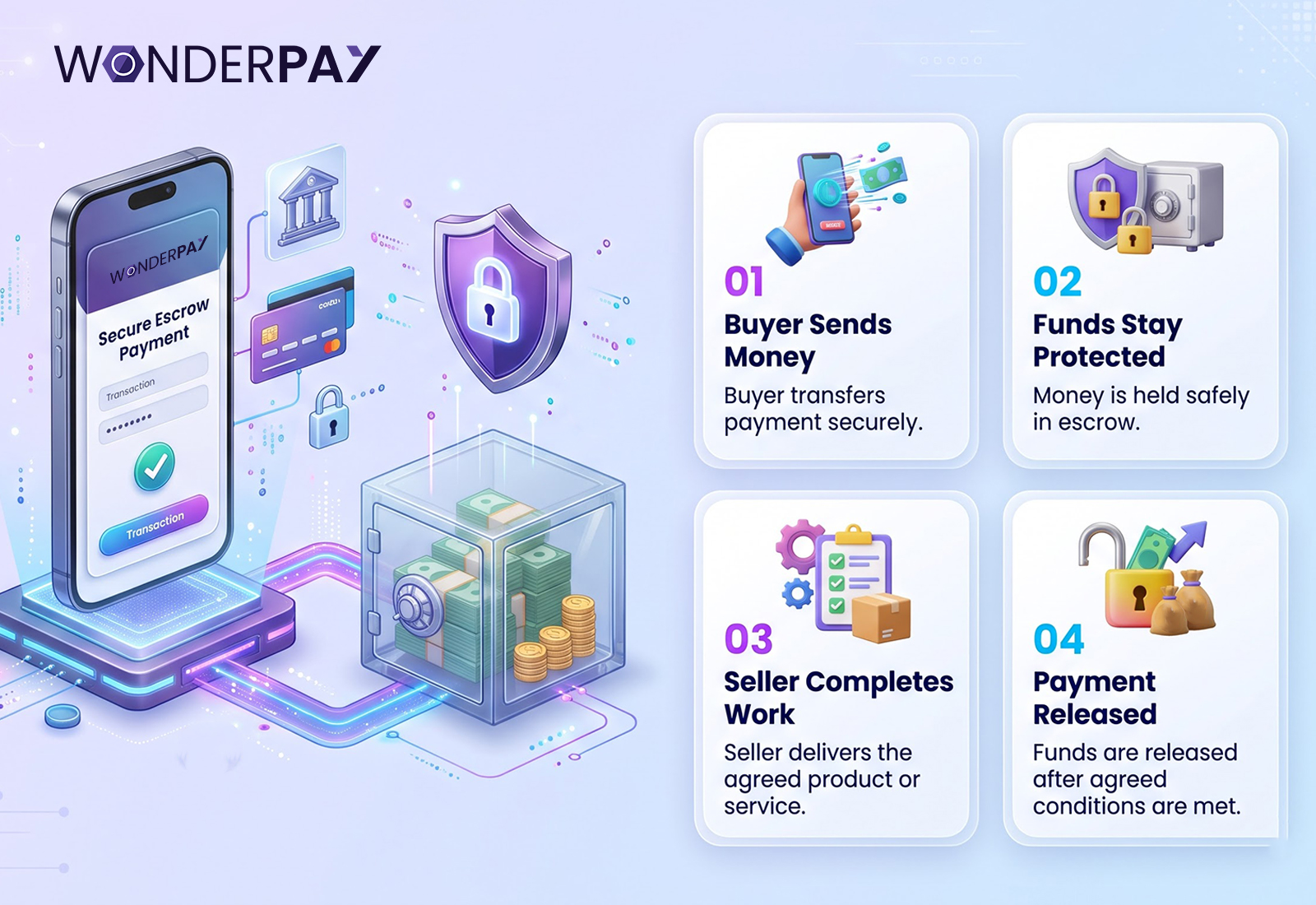
In the most basic of terms, the escrow account meaning is defined as a safekeeping agreement that is regulated by a neutral party. One party deposits funds, securities or critical documents in a vaulting area and the other party fetches them out after the agreed conditions have been fulfilled. Until that time, both parties are unable to be given full access to the contents.
Think of it as a referee in a match. The referee is not involved in the game, and only follows the rules included in the contract. This neutrality is what makes escrow a trusted aspect of property transactions, corporate mergers, and online transactions.
The escrow account full form is often looked for as NEFT or KYC. Escrow, however, isn’t an acronym. The term is derived from Old French “escroue”, which means a scroll or deed given to a neutral custodian for safekeeping. So, the escrow account full form is just the word itself and there is nothing to expand.
Money is probably the single most used asset by a custodian. However, depending upon the type of transaction, there are other types of assets that a custodian may hold.
The idea is implemented by an escrow bank account. It is established with a bank or licensed trustee and is separate from the operating funds of either the bank or the trustee, and has its own written escrow agreement. The money is kept in a separate account, so the custodian can’t use it, and creditors of the several parties are not likely to be able to claim it for the time being. A dedicated escrow bank account is a locked vault where the instructions for opening the account are clearly written.
The segregation of assets provides the hidden strength within the system. Custodians do not use their own funds to finance transactions; they also do not use transaction-related funds to finance their own operations. If a custodian experiences financial difficulty, the segregated funds remain identifiable as being associated with a specific transaction. This is a much stronger position than providing cash directly into an intermediary’s general current account and hoping everything works out.
The contract is what makes the entire setup possible. Typically, a strong contract will contain:
Names and roles of depositors, beneficiaries and escrow agents.
The exact amount and the date by which it must be deposited.
The criteria for release, defined in clear, measurable terms.
Proof of ownership, e.g., a registration document for a sold property, a delivery slip, or a milestone completion certificate with the customer’s signature.
Timelines for each stage and what happens when a deadline is missed.
How disputes are resolved, such as whether a judge/jury/arbitrator will determine the outcome.
fees and who pays for them and under what circumstances can the contract be canceled.
The governing law and the place where disputes will be heard.
The most frequent reason for difficulty is ambiguous language. When you state “release when complete to satisfaction,” you are inviting disagreement. However, if you say “release within three business days of the client’s signature of the milestone certificate,” there can be no disagreement.
It’s helpful to know what is escrow account in theory, but it’s the mechanics that make it valuable. The details will differ depending on the industry, but most of the transactions go in a similar order:
1. Agreement: Buyer and seller sign a contract that specifies the escrow agent, the amount and the conditions under which the money will be paid.
2. Account setup: Agent opens the account and provides buyer with deposit instructions.
3. Funding: The agreed amount is paid to the buyer and the agent signs and dates to confirm receipt.
4. Verification: Seller provides goods/service, property papers, milestone and the agent confirms they are all fulfilled.
5. Release: Agent pays the seller. If the agreement fails to come through, the cash is refunded back to the purchaser according to the agreement.
Almost all setups involve three parties. Typically the buyer deposits money into the account. When conditions are met, the money is given to the beneficiary, typically the seller. The escrow agent, which can be a bank, a trustee company, a law firm or a specialized platform, holds the funds and executes them based on instructions. The agent is paid for administration, not for taking sides.
The agent does not make a judgement on who is correct if there is disagreement between the parties. The money continues to be locked up until the parties either settle the matter or the arbitrator or court says they can release it. This is why it is sensible to have a well-drafted agreement that specifies timelines, evidence needs, and the dispute process beforehand.
Direct payments are quick and inexpensive, however they require each party to have total confidence in each other. Cheques, wire transfers or UPI payments are difficult to recover once received by the payee, and recovery efforts may require many months. Escrow reverses this process.
Money is deposited into an account prior to work being completed (which provides security to the seller) however money will only be disbursed when proof of the completed work exists (which provides security to the buyer). Small transactions involving familiar parties can often be made through direct payments. However, when purchasing items that are costly, unknown or time-sensitive, the additional step of using escrow will provide benefits that exceed its cost.
An online transaction is likely to take a few days to process. Property transactions normally last several weeks due to the closing of loans and other registration procedures. A large business acquisition could potentially remain open for many months as regulatory approvals are being obtained. It’s the circumstances that dictate the timing, not the custodian.
The same can be applied in a wide variety of scenarios:
Real Estate Escrow: A deposit of money made by the buyer or seller to hold the funds until the property is sold.
Merger and Acquisition: A portion of the deal value is set aside to fund post-closing claims or indemnities.
Online Marketplaces: The platform holds the amount of money paid by the buyer until delivery is confirmed.
Construction and Projects: Funding is issued in accordance with defined milestones.
Source-code Escrow: Software source code is stored in a neutral repository, and passed on to the licensee when the vendor goes out of business.
Mortgage Escrow: Money that a lender takes from each payment to pay property taxes and insurance for the borrower.
The benefits of escrow can be most easily seen when you ask who bears the risks in an average transaction and how that shifts with the addition of a third party (a neutral custodian) involved. Risk does not go away, but it is made evident, shared equally and associated with particular events. Since each party has something slightly different to gain from using an escrow service, it would be beneficial to examine what each group will receive.
The release of payment does not occur prior to the arrival of those promised goods, services, or documentation. Thus, there is a significantly reduced risk of fraud, non-delivery, or uncompleted work.
Since you have already secured your funding, you won’t need to be concerned about not being paid. You can start working on the project or provide the goods or services to the buyer, knowing that there is money available for the transaction and it has been set aside.
Escrow makes it less expensive to do business with unknown people. It promotes international trade, allows new businesses to form and closes regulatory trails of money. A properly managed escrow account will produce an open audit trail, which can be useful when an issue goes to arbitration or court. The actual product that escrow offers is clarity, discipline and legality; and in most cases, escrow is the reason why a deal is able to be closed.
Even though there are no laws that govern the use of an escrow account India, the practice has been widely accepted across India. A transaction involving an escrow account in India is established through a contract pursuant to the Indian Contract Act, 1872. Sector regulatory bodies also provide for the establishment of escrow accounts under certain conditions.
Real Estate: Under the Real Estate Regulation Act (RERA), real estate developers/promoters are required to place 70% or more of all monies collected from home buyers in an escrow/separate bank account. These funds can only be utilized for costs associated with developing/constructing the property, including land acquisition.
Digital Payments: The Reserve Bank of India (RBI) has issued a regulatory framework for payment aggregators which requires that all funds collected from customers on behalf of merchants be deposited into an escrow account opened by the payment aggregator with a scheduled commercial bank until such time as the funds are settled.
Takeovers: Under the takeover regulations of SEBI, an acquiring company that is issuing an open offer must keep a certain sum of money on deposit in an escrow account at a bank.
Capital Markets: The capital market holds application money from public issues in designated accounts until allotment occurs.
Before you sign off, find out if the agent has a license and what the amount of stamp duty will be in your state. Also determine how much tax you may have to pay on any interest that accrues from the escrow account. If you are considering an escrow account India deal, require that the contract be well written. Because rules change often, it’s best to consult with professionals when making major financial decisions.
If you are thinking about an escrow account deal in India, make sure to consider some practical issues prior to making your commitment:
Verify the escrow agent is either a regulated bank, trustee or a licensed organization.
Ask about the rate of stamp duty applied to agreements within your state, as rates vary by state.
How the income earned from the held funds will be subject to taxation, and who is responsible for paying those taxes.
Check whether fees attract GST and who pays them.
Insist on a well-drafted agreement with objective release conditions.
Since rules regarding this matter are constantly changing, you may want to seek legal or accounting counsel before making decisions involving large sums.
Theory is made clear by practicing it. In the examples below, we show you what an escrow account looks like in two entirely different settings; when buying a house (property) and when working as a independent contractor (freelance).
Meera have agreed to purchase a resale flat in Pune for Rs 80 lakh. The seller still owes money on his/her home loan. Therefore, the bank will not provide the original flat papers until the loan is paid off. Rather than paying the seller directly, Meera deposit Rs 10 lakh into an escrow account. The escrow agent then pays down the seller’s home loan using some of the money from the escrow account.
Once the loan is paid off, the escrow agent receives the original flat papers. After receiving the original flat papers, the escrow agent pays the remainder of the money in the escrow account to the seller once the sale deed has been registered. This escrow account example illustrates how both parties are protected during the entire transaction process.
Rohan (designer) takes on is a web design project worth Rs 90,000. Before the project begins, the client has deposited the entire amount with an online escrow service. Rohan then completes the project in three stages (milestones) and after each stage is approved by the client, one-third of the total amount is released to him.
Even if the client were to disappear, Rohan would still receive payment for the stages of the project he completed successfully. Conversely, if Rohan does not complete the project, the client will be able to retrieve any unreleased funds from the escrow service. This additional escrow account example illustrates how gig platforms can use escrow services to protect both sides of the transaction.
Escrow is not a free service. Escrow fees can vary from a small portion of the total transaction amount to a fixed fee. The two parties can also share the costs of the escrow services. More complicated transactions that involve several releases will require higher escrow fees. There is also a possibility of delay, because funds are only transferred after each step of the process has been documented.
Lastly, the reliability of the escrow bank account agreement depends upon how trustworthy the escrow provider is, therefore you should select an escrow provider that is regulated by the government, such as a bank or a licensed trust company. You should compare the costs of each escrow bank account prior to making a commitment, and you should review the termination provisions of the agreement.
An escrow account is not only for developers who build properties or listed corporations. An entrepreneur running a small manufacturing company shipping a very large shipment to a first-time overseas customer may use an escrow account to provide assurance that he/she will be paid upon receipt of the goods.
A startup company seeking funding can place investor money into an escrow account until such time as the agreed-upon conditions have been fulfilled. A founder of a business selling part of his/her ownership interest in the business can protect a future payment through the use of an escrow account. When young businesses lack established credit histories, a third-party neutral custodian often performs the function that a reputation would perform.
Also read: What Is A Wire Transfer? Meaning & Working
A good agent will help make the home buying experience much easier for you; while a bad agent will probably make your life miserable. When choosing which agent to use, consider how each candidate compares in regards to the following:
• Regulatory Status: Preference for Banks, Registered Trustees and Licensed Platforms.
• Expertise within your field: A custodian who manages properties on a daily basis is going to handle a home purchase more effectively than a generalist.
• Fees are clearly stated: Before signing, you will receive written documentation of all applicable fees.
• Speed of processing and communication: Inquire about the amount of time it takes to process releases after all requirements have been satisfied.
• Dispute resolution process: Check out how long it takes to resolve disputes, what the timeline is for resolving disputes, and which party will bear the costs associated with the dispute.
It will take about one hour to compare the terms available from every escrow bank account prior to making your decision on which to use, and this could prevent a lot of headache down the road.
Most escrow disputes result from omissions in the paperwork, rather than from dishonest actions.
Leaving release conditions subjective or open to interpretation.
Skipping a timeline, so that it is impossible for anyone to determine if a missed deadline constitutes a breach.
Forgetting to say who pays the fees and the taxes.
Using an unregulated provider because the fee looked low.
Signing before reading the termination and refund clauses.
Fixing these before the money goes in is far easier than fixing them afterwards.
The definition of what is escrow account is very straightforward; a safe place where promises can be verified as actions. Regardless of whether this is the first time you have tried to understand the escrow account meaning, looking at different options for escrow account India transactions, or reviewing an escrow account example to apply to your own deal, the underlying concept will always be the same.
Only after all of the agreed upon terms have been satisfied will money change hands. A well-designed escrow agreement can be one of the easiest ways for buyers, sellers, developers, and businesses to protect themselves from financial loss. Select a regulated custodian, clearly state how the funds should be released, and if needed get expert advice when dealing with large sums of money.
Want to be a part of the Wonderpay community? follow us on:
Youtube: https://www.youtube.com/@wonderpaytec
Instagram: https://www.instagram.com/wonderpaytec
LinkedIn: https://in.linkedin.com/company/wonderpay-technologies-pvt-ltd
Facebook: https://www.facebook.com/wonderpaytec
Twitter: https://x.com/wonderpaytec
It’s an account that provides security for a buyer and seller by having a third-party hold funds or assets until both parties complete their contractual agreements.
That will depend upon what is agreed to in the contract. The fees could be paid by either the buyer, the seller, or both.
Yes, but generally through a third party (such as a bank, trustee, or licensed platform), and not as an independent retail financial product. The availability of products and their applicable conditions will depend upon the specific provider.
Funds will either be returned to the depositor or distributed in accordance with the terms of the Escrow Agreement. Funds that are in dispute will remain in escrow until such time as there has been a settlement reached by both parties, an arbitration award made, or a court order issued.
The funds are held in a separate account in accordance with written instructions, making them much more secure than if you were to pay the other party to the contract. However, as with all forms of security, the amount of safety you will experience depends upon the reputation and regulatory status of the escrow company.

“A fintech content specialist with expertise in financial technology, digital banking, and emerging market trends, Kanisha Mathur is skilled in crafting SEO-friendly, research-driven content that transforms complex financial concepts into engaging and accessible insights. Combining analytical precision with compelling storytelling, the writing delivers value to both industry professionals and modern digital audiences.”